論文解説
Co-Creating Neurorehabilitation Technology Alongside Lived Experience Experts: A Participatory Design Workshop
当事者経験の専門家と共に神経リハビリテーション技術を共同設計する:参加型デザインワークショップ
- 課題 神経リハビリテーション技術では、LE専門家が設計の後半にしか関わらないことが多く、初期設計段階にLE専門家を参加させる方法とその影響を確認する必要があります。
- 手法 国際学会のワークショップで、参加者とLE専門家がDouble Diamondの3段階に従い、Journey Mapを基に共同で設計しました。過程は、アンケート、録音のLLM抽出、Journey Mapのテーマ分析で評価しています。
- 結果 LE専門家の入力により、グループの議論が生活経験に基づく優先順位へ移りました。目標の具体性に応じて、課題に特化した製品や概念的な仕組みが生まれ、参加者とLE専門家によるワークショップの評価は高いものでした。
LE専門家が遅れて参加する問題
神経リハビリテーション技術は、臨床効果が確認されてからも、実際の臨床現場に導入されるまでに長い時間がかかります。この論文は、その原因の一つとして、生活経験(lived experience、LE)を持つ患者専門家が、設計の初期段階ではなく、完成したプロトタイプを試す段階でのみ関わるという現状を指摘しています。ユーザビリティ評価にのみ関わるユーザー中心設計とは異なり、参加型デザイン(participatory design)は、プロジェクトの全段階を通じてLE専門家や他の利害関係者が共同で意思決定を行う方法です。一方で、工学系の研究者は、LEの参加方法や質的分析に関する訓練が不足していることが多いとされています。
そこでこの研究は、研究者がLE専門家と共に設計を始められるよう支援するワークショップを提示し、LE専門家の参加が設計の過程と結果にどのような影響を与えるかを確認しようとしています。
Double Diamondに基づくワークショップの構成
ワークショップは国際神経リハビリテーション学会(ICNR 2024)で実施され、参加者18名とLE専門家5名が5グループに分かれました。各グループにはLE専門家1名とその保護者1名が含まれ、最大6名で構成されました。ワークショップではDouble Diamondモデルの Discover、Define、Develop の3段階を用いました。Discover段階では、LE専門家を交えず、参加者がData Collection Notebookで選んだ目標活動を、Journey Mapの段階と目標に分けます。Define段階では、LE専門家が加わってEnd-user Experienceの項目を埋め、中心となる設計課題を共同で定義します。
Develop段階では、定義された課題への解決策を議論とスケッチで作り、2名による発表を行います。この構成は、LE専門家の入力が課題定義の段階に入るよう、順序を設計したものです。
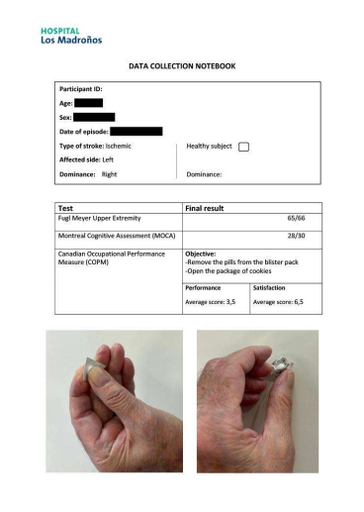
Figure 1 : Example of the Data Collection Notebook used by Group D during the workshop. The notebook, created together with the LE expert, includes their demographics and scores on several clinical tests. The performance and satisfaction scores for the Canadian Occupational Performance Measure are rated on a 10-point scale, with the LE expert illustrating one of the objectives. The Spanish version of the notebook was employed. Potentially identifiable information has been redacted.
出典 · CC BY 4.0 · Irene L. Y. Beck, Salvatore L. Cucinella, Johannes B. J. Bussmann, Natacha Léon, José López-Sánchez, Francesca Lunardini, Katherine L. Poggensee, Cristina Vázquez-González, Joost de Winter, Laura Marchal-Crespo · Co-Creating Neurorehabilitation Technology Alongside Lived Experience Experts: A Participatory Design Workshop · 論文の図を引用 · 元のPDFの7ページ目から図の部分を抽出しています。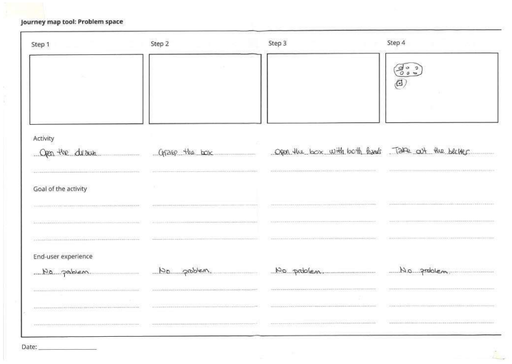
Figure 2 : Part of the Journey Map: Problem space tool filled by Group D. The tool was used by participants to break down an LE expert-defined goal (e.g., removing pills from a blister pack) into sequential steps by completing the Step, Activity, and Goal of the Activity sections (Exercise 1). The End-user Experience section was completed once the LE expert joined the group (Exercise 2).
出典 · CC BY 4.0 · Irene L. Y. Beck, Salvatore L. Cucinella, Johannes B. J. Bussmann, Natacha Léon, José López-Sánchez, Francesca Lunardini, Katherine L. Poggensee, Cristina Vázquez-González, Joost de Winter, Laura Marchal-Crespo · Co-Creating Neurorehabilitation Technology Alongside Lived Experience Experts: A Participatory Design Workshop · 論文の図を引用 · 元のPDFの8ページ目から図の部分を抽出しています。録音の文字起こしとLLMによる抽出
ワークショップの録音は、Whisper large-v3でローカルに文字起こしされ、文字起こし結果は匿名化したうえで、DeepLによりスペイン語から英語に翻訳されました。その後、Microsoft 365 CopilotでGPT-5.5 Think Deeperモードを使い、最終的な解決策、最大10個の主要な考慮事項、LE専門家が提起した考慮事項を抽出しました。各項目には発言の原文をそのまま引用するよう求め、すべての引用は録音の文字起こしと照合して確認しました。2名の著者は、Group AとGroup Cの文字起こしに同じプロンプトを適用した人手による抽出結果とLLMによる抽出結果を比較しました。
その結果、多くの考慮事項は重なったものの、強調点は異なっていたと報告しています。この比較は2つのグループのみで行われ、残りの3グループではLLM補助のアプローチが用いられました。
Journey Mapのテーマ分析
Journey Mapは、Analysis on a Wallの方法と、6段階のテーマ分析を応用した手法で分析されました。4名の研究者が各Journey Mapの横にPost-itで初期コードを作成し、協議を経て各マップごとの最終的なテーマを決めました。その後、すべてのマップのテーマを比較し、全体のテーマを定義しました。分析は、LE専門家の参加が設計過程に与えた影響に焦点を当てました。この分析はJourney Mapの資料から得たテーマ分析であり、録音に基づくLLM抽出とは別の資料です。
LE専門家の入力が変えた設計の議論
グループごとの分析では、LE専門家の入力によって、参加者の学術的な前提から離れ、恐れ、自信、感覚的な不快感、疲労、美的要素、自立性といった生活経験に基づく優先順位へと議論が移りました。目標が狭く定められたグループは、課題に特化した解決策を作りました。たとえば、Group Dは薬のパッケージを開ける課題で、指先でのつまみを手全体の圧迫に変えるはさみ型の装置を提案しました。Group Eは爪切りの課題で、卓上型の片手用爪切りを設計しました。一方、Group AやGroup Cのような広い目標は、自転車に乗るための感覚フィードバックシステムや、料理のための刺激付き手首サポーターといった概念的な仕組みにつながりました。
Group Bは、広いシャワーの目標からも、シャワー補助装置という具体的な製品を生み出しました。この結果は4つのグループの設計の方向性を示す観察であり、すべての目標で同じ結果が出るという意味ではありません。
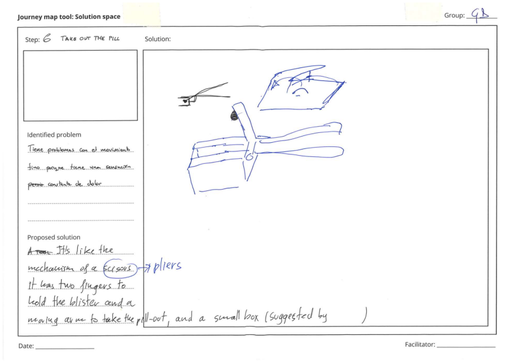
Figure 3 : Example of a completed Journey Map: Solution space tool, from Group D. Groups documented the co-defined problem with the LE expert, and outlined the proposed solution together with a sketch of the co-created idea. Potentially identifiable information has been redacted.
出典 · CC BY 4.0 · Irene L. Y. Beck, Salvatore L. Cucinella, Johannes B. J. Bussmann, Natacha Léon, José López-Sánchez, Francesca Lunardini, Katherine L. Poggensee, Cristina Vázquez-González, Joost de Winter, Laura Marchal-Crespo · Co-Creating Neurorehabilitation Technology Alongside Lived Experience Experts: A Participatory Design Workshop · 論文の図を引用 · 元のPDFの10ページ目から図の部分を抽出しています。アンケートに見る参加者とLE専門家の評価
参加者は事前アンケートの段階で、すでにLE専門家との協業が設計を改善すると高く評価していました。ワークショップ後には、共同創作の方法に対する自信が3.1から4.1へと最も大きく上がりました。事後アンケートでは、参加者がワークショップを1から10点の尺度で評価し、平均は9.1 (SD = 1.2)でした。これらの点数は、設問尺度や回答者の集団に即して解釈する必要があり、設計結果の質を直接測定した値ではありません。また、研究者3名と共著者1名の回答は、点数の計算から除外されました。
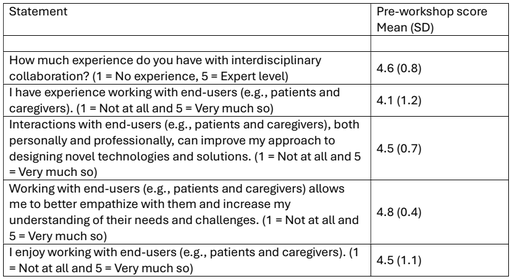
Table 1 . Workshop attendees’ responses to five pre-workshop items. a
出典 · CC BY 4.0 · Irene L. Y. Beck, Salvatore L. Cucinella, Johannes B. J. Bussmann, Natacha Léon, José López-Sánchez, Francesca Lunardini, Katherine L. Poggensee, Cristina Vázquez-González, Joost de Winter, Laura Marchal-Crespo · Co-Creating Neurorehabilitation Technology Alongside Lived Experience Experts: A Participatory Design Workshop · 論文の図を引用 · 元のPDFの15ページ目から図の部分を抽出しています。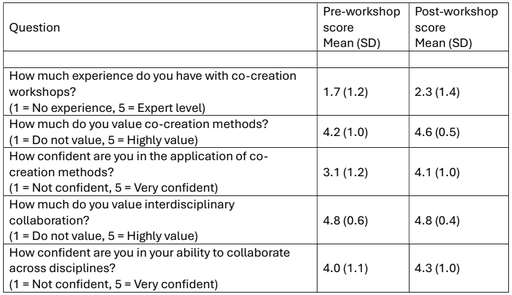
Table 2 . Workshop attendees’ responses to the five questions administered both pre- and
出典 · CC BY 4.0 · Irene L. Y. Beck, Salvatore L. Cucinella, Johannes B. J. Bussmann, Natacha Léon, José López-Sánchez, Francesca Lunardini, Katherine L. Poggensee, Cristina Vázquez-González, Joost de Winter, Laura Marchal-Crespo · Co-Creating Neurorehabilitation Technology Alongside Lived Experience Experts: A Participatory Design Workshop · 論文の図を引用 · 元のPDFの16ページ目から図の部分を抽出しています。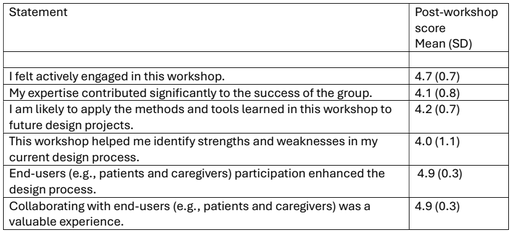
Table 3 . Workshop attendees’ agreement with statements post-workshop. 1 = Not at all, 5 =
出典 · CC BY 4.0 · Irene L. Y. Beck, Salvatore L. Cucinella, Johannes B. J. Bussmann, Natacha Léon, José López-Sánchez, Francesca Lunardini, Katherine L. Poggensee, Cristina Vázquez-González, Joost de Winter, Laura Marchal-Crespo · Co-Creating Neurorehabilitation Technology Alongside Lived Experience Experts: A Participatory Design Workshop · 論文の図を引用 · 元のPDFの16ページ目から図の部分を抽出しています。選択バイアス、時間の制約、解釈の限界
著者らは、ワークショップが学会で開催され、参加が自発的であったため、もともと共同創作やLE協業を価値あるものと考える人が選ばれた可能性を、限界として挙げています。ワークショップは2時間で3段階を進める必要があったため、各段階に十分な時間を割けなかったと報告しています。参加者の中には、時間の圧迫を最大の不満として挙げた人が多くいました。また、研究者が事前に説明した原則と行動規範が肯定的な回答を導いた可能性や、LE専門家と保護者の間の権力差がグループの議論に影響した可能性もあります。これらの結果は著者らによる解釈であり、設計結果の長期的な効果を確認したものではありません。LLM抽出は2つのグループでのみ人手による分析と比較された点も、解釈の範囲を制限しています。
論文情報
- 著者
- Irene L. Y. Beck, Salvatore L. Cucinella, Johannes B. J. Bussmann, Natacha Léon, José López-Sánchez, Francesca Lunardini, Katherine L. Poggensee, Cristina Vázquez-González, Joost de Winter, Laura Marchal-Crespo
- 学会・ジャーナル
- arXiv · プレプリント
- 公開日
- 2026年11月9日
- 登録日
- 2026年11月10日
- 更新日
- 2026年11月9日
- バージョン
- v1
- arXiv
- 2611.12202
- カテゴリ
- cs.HC · cs.RO
- ライセンス
- CC BY 4.0
- 掲載内容
- 論文情報・解説・論文の図
この解説は、Refivuの韓国語解説をAIで翻訳したものです。不正確な翻訳や誤りが含まれる可能性があります。論文と図の利用条件は各出典に従います。
アブストラクト
Involving patients' lived experience (LE) early in neurorehabilitation technology design can improve the relevance and effectiveness of solutions, yet LE experts are often involved only when finished prototypes are tested. We present and evaluate a participatory design (PD) workshop for early LE involvement, examine how LE contributions influence design processes and outcomes, and provide recommendations for similar approaches. We conducted a PD workshop at the 6th International Conference on NeuroRehabilitation. Five people who have had a stroke (LE experts) and 18 workshop attendees (including the LE experts' caregivers) were organized into five groups. Following the Discover, Define, and Develop phases of the Double Diamond model, each group used Journey Maps and Data Collection Notebooks to co-create a solution for an objective specified by an LE expert. Journey Maps were thematically analyzed, and group audio transcripts underwent structured extraction using a large language model. LE input shifted discussions from discipline-based assumptions toward priorities grounded in lived experience, including fear, confidence, sensory discomfort, fatigue, aesthetics, and independence. Narrow objectives, such as opening a blister pack, produced task-specific solutions, whereas broader objectives generated device concepts, including sensory feedback for cycling and a stimulation-equipped cooking splint. Satisfaction was high among attendees and LE experts. All workshop tools and protocols are shared to support adoption. The workshop offers a practical foundation for involving LE experts early in neurorehabilitation technology development. Future iterations should better capture psychological and social dimensions, allow more reflection, and include the full range of relevant stakeholders through sustained transdisciplinary engagement between researchers and the LE community.
この論文を引用
Irene L. Y. Beck, Salvatore L. Cucinella, Johannes B. J. Bussmann, Natacha Léon, José López-Sánchez, Francesca Lunardini, Katherine L. Poggensee, Cristina Vázquez-González, Joost de Winter, Laura Marchal-Crespo (2026). Co-Creating Neurorehabilitation Technology Alongside Lived Experience Experts: A Participatory Design Workshop. arXiv:2611.12202v1. https://arxiv.org/abs/2611.12202v1
BibTeX
@misc{beck2026creating,
  title = {{Co-Creating Neurorehabilitation Technology Alongside Lived Experience Experts: A Participatory Design Workshop}},
  author = {Irene L. Y. Beck and Salvatore L. Cucinella and Johannes B. J. Bussmann and Natacha Léon and José López-Sánchez and Francesca Lunardini and Katherine L. Poggensee and Cristina Vázquez-González and Joost de Winter and Laura Marchal-Crespo},
  year = {2026},
  eprint = {2611.12202},
  archivePrefix = {arXiv},
  url = {https://arxiv.org/abs/2611.12202v1}
}