논문 해설
Unsupervised Domain Adaptation using Generative Adversarial Networks for Semantic Segmentation of Aerial Images
항공 영상의 의미론적 분할을 위한 생성적 적대 신경망 기반 비지도 도메인 적응
- 연구 문제 항공 영상 분할 모델은 Potsdam 같은 소스 도메인에서는 잘 작동하지만, 센서와 해상도가 다른 Vaihingen 같은 타깃 도메인에서는 성능이 크게 떨어집니다.
- 연구 방법 제안 방법은 Potsdam과 Vaihingen 영상을 쌍 없이 학습하는 비쌍 GAN으로 소스 영상을 타깃 외관으로 바꾸고, 원래 소스 레이블로 분할 모델을 미세 조정합니다.
- 주요 결과 Vaihingen 타깃 데이터에서 평균 정확도가 0.35에서 0.52로 올랐고, IoU는 0.17에서 0.30으로 올랐습니다. 클래스별 효과는 고르지 않아 Building과 Tree는 크게 올랐지만 다른 일부 클래스는 거의 변하지 않았습니다.
소스 도메인 모델의 타깃 도메인 성능 저하
항공 영상의 의미 분할 모델은 학습에 사용한 소스 도메인에서는 높은 정확도를 보이지만, 센서·해상도·지역이 다른 새로운 도시의 영상에 그대로 적용하면 성능이 크게 떨어집니다. 원문은 이를 소스 데이터셋과 타깃 도메인 사이의 도메인 이동(domain shift)으로 설명합니다. 실험에서 DeepLab v3 plus를 ISPRS Potsdam으로 학습한 뒤 Vaihingen 영상에 적용하자 전체 정확도가 85%에서 35%로 떨어졌습니다. 타깃 도메인마다 픽셀 단위 레이블을 새로 만드는 방법은 비용과 시간이 많이 들기 때문에, 이 논문은 레이블 없이 타깃 도메인에 맞출 수 있는 자동 도메인 적응을 목표로 합니다.
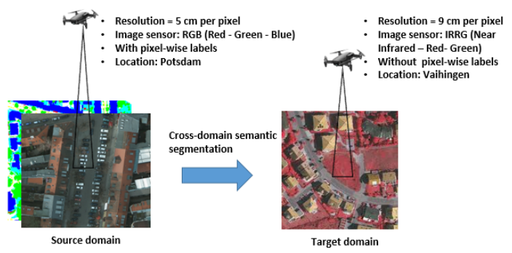
Figure 1 . Cross-domain semantic segmentation in aerial imagery
원문 · CC BY 4.0 · Bilel Benjdira, Yakoub Bazi, Anis Koubaa, Kais Ouni · Unsupervised Domain Adaptation using Generative Adversarial Networks for Semantic Segmentation of Aerial Images · 원문 그림 인용 · 원본 PDF 2쪽에서 그림 영역을 추출했습니다.비쌍 GAN으로 소스 영상을 타깃 외관으로 변환
제안 방법은 두 단계의 흐름으로 구성됩니다. 먼저 Potsdam 소스 영상과 Vaihingen 타깃 영상을 각각 수집하고, 두 집합의 영상이 쌍을 이룰 필요가 없는 비쌍 이미지 변환 GAN을 학습합니다. 이 GAN은 소스에서 타깃으로 가는 생성기와 반대 방향의 생성기를 두며, 두 방향의 적대적 손실과 재구성 손실을 함께 최적화합니다. 재구성 손실은 소스에서 타깃으로 변환한 뒤 다시 소스로 되돌렸을 때 원본과 같아지도록 하여 생성된 영상이 원래 구조를 유지하도록 돕습니다. 생성기는 Leaky ReLU를 쓰는 하향 샘플링 계층과 ReLU를 쓰는 상향 샘플링 계층으로 된 인코더-디코더 구조이며, 각 계층 뒤에 Instance Normalization을 적용합니다.
원문은 이 생성기 구조가 U-Net과 유사하다고 설명합니다.
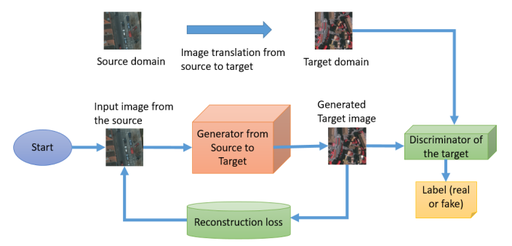
Figure 3 . GAN architecture for unpaired image translation in aerial images
원문 · CC BY 4.0 · Bilel Benjdira, Yakoub Bazi, Anis Koubaa, Kais Ouni · Unsupervised Domain Adaptation using Generative Adversarial Networks for Semantic Segmentation of Aerial Images · 원문 그림 인용 · 원본 PDF 6쪽에서 그림 영역을 추출했습니다.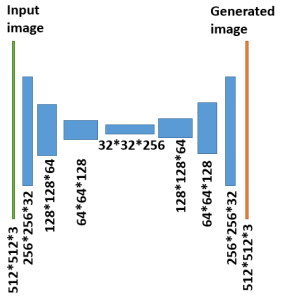
Figure 4 . The Encoder-Decoder architecture of the Generator
원문 · CC BY 4.0 · Bilel Benjdira, Yakoub Bazi, Anis Koubaa, Kais Ouni · Unsupervised Domain Adaptation using Generative Adversarial Networks for Semantic Segmentation of Aerial Images · 원문 그림 인용 · 원본 PDF 7쪽에서 그림 영역을 추출했습니다.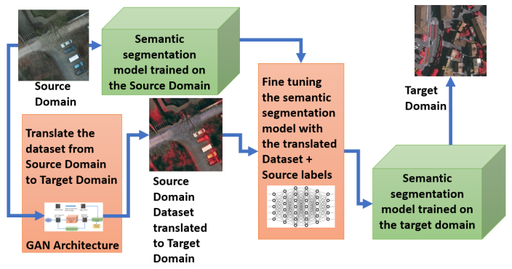
Figure 6 . Flowchart of the domain adaptation algorithm
원문 · CC BY 4.0 · Bilel Benjdira, Yakoub Bazi, Anis Koubaa, Kais Ouni · Unsupervised Domain Adaptation using Generative Adversarial Networks for Semantic Segmentation of Aerial Images · 원문 그림 인용 · 원본 PDF 8쪽에서 그림 영역을 추출했습니다.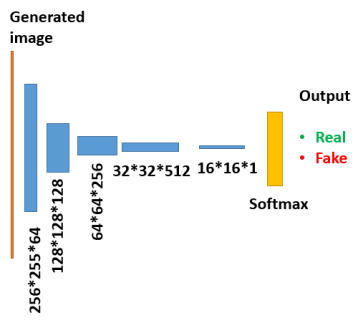
Figure 5 . The architecture of the discriminator
원문 · CC BY 4.0 · Bilel Benjdira, Yakoub Bazi, Anis Koubaa, Kais Ouni · Unsupervised Domain Adaptation using Generative Adversarial Networks for Semantic Segmentation of Aerial Images · 원문 그림 인용 · 원본 PDF 8쪽에서 그림 영역을 추출했습니다.학습된 GAN으로 Potsdam 영상 전체를 Vaihingen의 외관으로 변환하면 원래 소스 레이블을 그대로 재사용할 수 있습니다. 이후 Potsdam에서 먼저 학습한 BiSeNet 소스 모델의 가중치를 시작점으로 삼아, 변환된 데이터셋과 원래 레이블로 미세 조정합니다. 즉 타깃 도메인의 레이블 없이도 분할 모델을 타깃 외관의 데이터에 노출시키는 것이 이 방법의 핵심입니다.
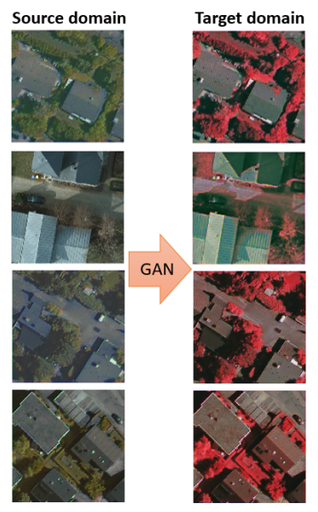
Figure 12 . Mapping images from the source domain to the target domain using our proposed GAN
원문 · CC BY 4.0 · Bilel Benjdira, Yakoub Bazi, Anis Koubaa, Kais Ouni · Unsupervised Domain Adaptation using Generative Adversarial Networks for Semantic Segmentation of Aerial Images · 원문 그림 인용 · 원본 PDF 16쪽에서 그림 영역을 추출했습니다.재구성 손실과 목적 함수의 역할
원문은 적대적 손실만으로는 생성된 영상이 타깃 도메인처럼 보이더라도 소스 영상의 구조적 내용을 보장할 수 없다고 설명합니다. 그래서 G_S→T로 변환한 영상을 G_T→S로 다시 변환했을 때 원본 소스 영상과 같아지도록 하는 재구성 손실을 추가합니다. 이 손실은 두 방향에 대해 L1 노름으로 정의됩니다. 분할 모델에 대해서는 원문이 식 (2)와 식 (9)에서 교차 엔트로피 손실을 사용합니다. 소스 모델은 원본 소스 영상과 레이블로 학습되고, 타깃 모델은 변환된 영상 XS_tr과 원래 소스 레이블로 학습됩니다. 이 설명은 원문 식에 나온 구성 요소의 역할을 보여 주며, 구조 보존 효과의 정량적 크기는 이 절만으로 판단하지 않습니다.
데이터셋 특성과 도메인 이동 요인
실험은 ISPRS 2D 의미 분할 벤치마크의 Potsdam과 Vaihingen 데이터셋을 사용합니다. 원문에 따르면 Potsdam은 5cm 해상도의 RGB와 적외선 4개 채널 영상을 포함하며, Vaihingen은 9cm 해상도의 IRRG 영상을 사용합니다. 원문은 도메인 이동을 센서, 해상도, 클래스 표현의 세 요인으로 나누어 설명합니다. 특히 Vaihingen에서는 초록 식생이 붉은색 계열로 바뀌는 센서 변화가 두드러지며, 원문은 건물 클래스가 센서 요인에 가장 크게 영향을 받는다고 해석합니다. 이 요인별 분류는 저자가 클래스별 분석으로 추정한 결과이므로 측정된 인과 관계로 읽지 않습니다.
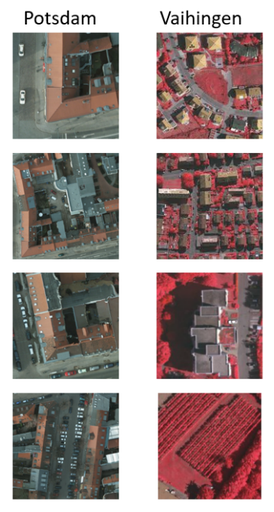
Figure 7 . Samples of images from Potsdam and Vaihingen ISPRS datasets
원문 · CC BY 4.0 · Bilel Benjdira, Yakoub Bazi, Anis Koubaa, Kais Ouni · Unsupervised Domain Adaptation using Generative Adversarial Networks for Semantic Segmentation of Aerial Images · 원문 그림 인용 · 원본 PDF 11쪽에서 그림 영역을 추출했습니다.분할 모델 학습과 GAN 학습 설정
소스 모델로는 Potsdam에서 학습한 BiSeNet을 사용하며, 특징 추출기로 ResNet101을 쓰고 ADAM 최적화기로 학습합니다. 원문은 이 소스 모델이 학습 중 평균 정확도 86%를 넘었다고 보고합니다. GAN은 Potsdam과 Vaihingen에서 각각 무작위로 수집한 512×512 영상 400장을 쓰고, 이 가운데 300장을 학습, 100장을 테스트로 사용합니다. 판별기 정확도가 92%를 넘고 생성기 손실이 3 아래로 내려갈 때까지 학습하며, 두 네트워크는 몇 에포크 안에 수렴한다고 원문은 설명합니다. 이 설정은 해당 GAN과 BiSeNet 실험에 대한 것이며 다른 백본이나 데이터에 그대로 적용되지 않습니다.
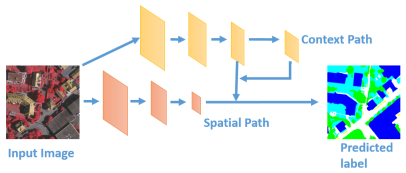
Figure 8 . Architecture of Bilateral Segmentation Network (BiSeNet)
원문 · CC BY 4.0 · Bilel Benjdira, Yakoub Bazi, Anis Koubaa, Kais Ouni · Unsupervised Domain Adaptation using Generative Adversarial Networks for Semantic Segmentation of Aerial Images · 원문 그림 인용 · 원본 PDF 14쪽에서 그림 영역을 추출했습니다.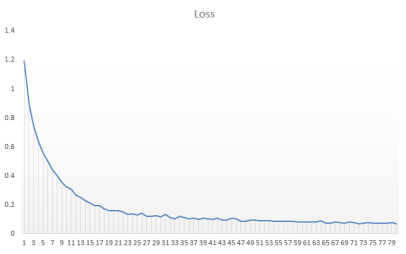
Figure 9 . Loss of training BiseNet on Potsdam dataset
원문 · CC BY 4.0 · Bilel Benjdira, Yakoub Bazi, Anis Koubaa, Kais Ouni · Unsupervised Domain Adaptation using Generative Adversarial Networks for Semantic Segmentation of Aerial Images · 원문 그림 인용 · 원본 PDF 14쪽에서 그림 영역을 추출했습니다.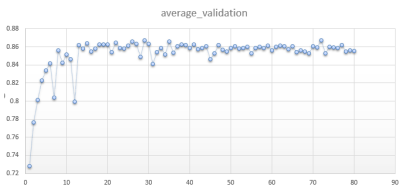
Figure 10 . Evolution of average accuracy of BiseNet trained on Potsdam
원문 · CC BY 4.0 · Bilel Benjdira, Yakoub Bazi, Anis Koubaa, Kais Ouni · Unsupervised Domain Adaptation using Generative Adversarial Networks for Semantic Segmentation of Aerial Images · 원문 그림 인용 · 원본 PDF 14쪽에서 그림 영역을 추출했습니다.타깃 도메인에서의 평가 결과
제안 방법을 적용한 뒤 Vaihingen 타깃 데이터에서 평균 정확도는 0.35에서 0.52로 올랐습니다. 같은 표에서 정밀도는 0.35에서 0.54, 재현율은 0.35에서 0.52, F1 측정은 0.32에서 0.49, IoU 점수는 0.17에서 0.30으로 보고됩니다. 이 수치는 Potsdam에서 학습한 소스 모델을 Vaihingen에 적용한 전후 비교이며, 실험에서 평가한 조건 밖으로 일반화하지 않습니다. 초록에서 말한 정확도 향상도 같은 비교를 가리킵니다. 평가는 fine-tuning 과정에서 에포크마다 타깃 평균 정확도를 측정하는 방식으로 이루어졌고, 원문은 8 에포크 만에 17% 증가했다고 보고합니다.
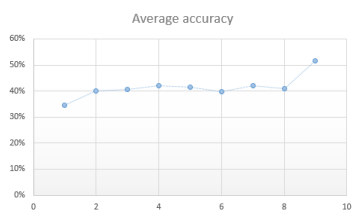
Figure 13 . Improvement of average accuracy on Target dataset after each epoch
원문 · CC BY 4.0 · Bilel Benjdira, Yakoub Bazi, Anis Koubaa, Kais Ouni · Unsupervised Domain Adaptation using Generative Adversarial Networks for Semantic Segmentation of Aerial Images · 원문 그림 인용 · 원본 PDF 17쪽에서 그림 영역을 추출했습니다.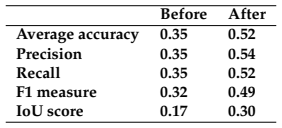
Table 3 . Segmentation metrics on the target dataset before and after the implementation of our algorithm
원문 · CC BY 4.0 · Bilel Benjdira, Yakoub Bazi, Anis Koubaa, Kais Ouni · Unsupervised Domain Adaptation using Generative Adversarial Networks for Semantic Segmentation of Aerial Images · 원문 그림 인용 · 원본 PDF 17쪽에서 그림 영역을 추출했습니다.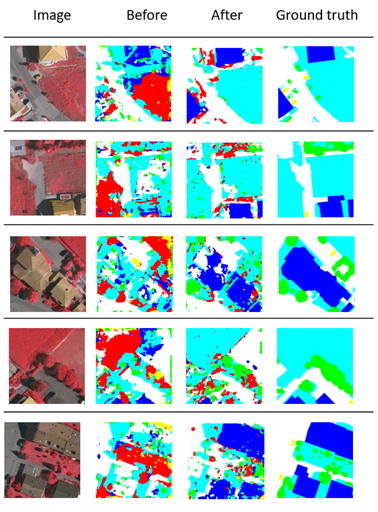
Figure 15 . Samples of segmentation before and after the implementation of our algorithm
원문 · CC BY 4.0 · Bilel Benjdira, Yakoub Bazi, Anis Koubaa, Kais Ouni · Unsupervised Domain Adaptation using Generative Adversarial Networks for Semantic Segmentation of Aerial Images · 원문 그림 인용 · 원본 PDF 18쪽에서 그림 영역을 추출했습니다.클래스별 결과와 적용 범위
클래스별 정확도는 효과가 고르지 않습니다. Building은 0.23에서 0.71로, Tree는 0.06에서 0.51로 크게 올랐습니다. 반면 Impervious surfaces는 0.58에서 0.57로, Car는 0.40에서 0.42로 거의 같았고, Low vegetation은 0.38에서 0.27로 낮아졌습니다. 원문은 Clutter/background도 0.94에서 0.93으로 거의 변하지 않았다고 보고합니다. 원문은 센서 요인이 주된 클래스에서 효과가 크고, 다른 요인이 큰 클래스나 도메인 이동이 작은 클래스에서는 뚜렷한 개선이 없다고 설명합니다. 이 결과는 Vaihingen 타깃에 대한 것이며, Low vegetation의 하락은 원문 표에서 확인되는 값으로 읽어야 합니다.
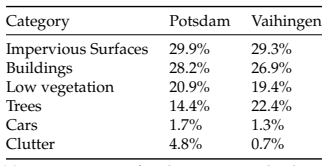
Table 1 . Percentage of each category in the datasets
원문 · CC BY 4.0 · Bilel Benjdira, Yakoub Bazi, Anis Koubaa, Kais Ouni · Unsupervised Domain Adaptation using Generative Adversarial Networks for Semantic Segmentation of Aerial Images · 원문 그림 인용 · 원본 PDF 12쪽에서 그림 영역을 추출했습니다.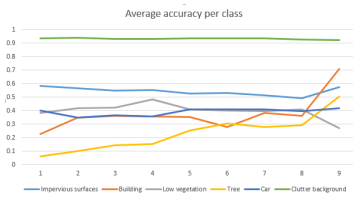
Figure 14 . Improvement of accuracy per class on Target dataset after each epoch
원문 · CC BY 4.0 · Bilel Benjdira, Yakoub Bazi, Anis Koubaa, Kais Ouni · Unsupervised Domain Adaptation using Generative Adversarial Networks for Semantic Segmentation of Aerial Images · 원문 그림 인용 · 원본 PDF 17쪽에서 그림 영역을 추출했습니다.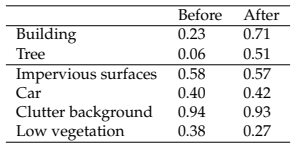
Table 4 . Accuracy of the segmentation on every class before and after the implementation of our algorithm
원문 · CC BY 4.0 · Bilel Benjdira, Yakoub Bazi, Anis Koubaa, Kais Ouni · Unsupervised Domain Adaptation using Generative Adversarial Networks for Semantic Segmentation of Aerial Images · 원문 그림 인용 · 원본 PDF 19쪽에서 그림 영역을 추출했습니다.한계와 향후 과제
이 방법은 타깃 도메인 레이블을 쓰지 않는 비지도 설정에서 설계되었습니다. 원문은 향후 과제로 몇 개의 타깃 레이블이 있는 반지도 학습 시나리오로 확장하는 것을 제시합니다. 또한 도메인 이동 요인별 영향 분류는 클래스별 분석에서 저자가 추정한 결과이므로, 요인을 독립적으로 측정한 실험으로 보지 않습니다. 평가는 Potsdam에서 Vaihingen으로의 한 방향 적응과 ISPRS 벤치마크에 한정되며, 다른 지역이나 센서 조합에서의 성능은 이 논문에서 확인되지 않았습니다.
논문 정보
- 저자
- Bilel Benjdira, Yakoub Bazi, Anis Koubaa, Kais Ouni
- 학회·저널
- arXiv · 프리프린트
- 최초 공개일
- 2019년 5월 8일
- 등록일
- 2026년 11월 6일
- 수정일
- 2019년 5월 8일
- 버전
- v1
- arXiv
- 1905.03198
- DOI
- 10.3390/rs11111369
- 분류
- cs.CV
- 원문 이용 조건
- CC BY 4.0
- 제공 범위
- 논문 정보, 해설, 허용된 원문 그림
AI 해설은 논문 원문과 별개의 설명이며 오류가 있을 수 있습니다. 원문과 그림은 각 출처의 이용 조건과 따로 표시된 권리를 따릅니다.
초록
Segmenting aerial images is being of great potential in surveillance and scene understanding of urban areas. It provides a mean for automatic reporting of the different events that happen in inhabited areas. This remarkably promotes public safety and traffic management applications. After the wide adoption of convolutional neural networks methods, the accuracy of semantic segmentation algorithms could easily surpass 80% if a robust dataset is provided. Despite this success, the deployment of a pre-trained segmentation model to survey a new city that is not included in the training set significantly decreases the accuracy. This is due to the domain shift between the source dataset on which the model is trained and the new target domain of the new city images. In this paper, we address this issue and consider the challenge of domain adaptation in semantic segmentation of aerial images. We design an algorithm that reduces the domain shift impact using Generative Adversarial Networks (GANs). In the experiments, we test the proposed methodology on the International Society for Photogrammetry and Remote Sensing (ISPRS) semantic segmentation dataset and found that our method improves the overall accuracy from 35% to 52% when passing from Potsdam domain (considered as source domain) to Vaihingen domain (considered as target domain). In addition, the method allows recovering efficiently the inverted classes due to sensor variation. In particular, it improves the average segmentation accuracy of the inverted classes due to sensor variation from 14% to 61%.
원문 인용
Bilel Benjdira, Yakoub Bazi, Anis Koubaa, Kais Ouni (2019). Unsupervised Domain Adaptation using Generative Adversarial Networks for Semantic Segmentation of Aerial Images. arXiv:1905.03198v1. https://doi.org/10.3390/rs11111369
BibTeX
@article{benjdira2019unsupervised,
  title = {{Unsupervised Domain Adaptation using Generative Adversarial Networks for Semantic Segmentation of Aerial Images}},
  author = {Bilel Benjdira and Yakoub Bazi and Anis Koubaa and Kais Ouni},
  year = {2019},
  eprint = {1905.03198},
  archivePrefix = {arXiv},
  doi = {10.3390/rs11111369},
  url = {https://arxiv.org/abs/1905.03198v1}
}