논문 해설
Deep Q-Learning based Reinforcement Learning Approach for Network Intrusion Detection
네트워크 침입 탐지를 위한 심층 Q-러닝 기반 강화학습 접근법
- 연구 문제 기존 강화학습 기반 침입 탐지는 대규모 상태 공간과 탐지 정확도 문제를 안고 있어, 이 논문은 Q-learning과 심층 신경망을 결합한 DQL 모델을 제안합니다.
- 연구 방법 NSL-KDD의 41개 특징을 상태로 쓰고 epsilon-greedy 탐색과 DNN 기반 Q값 근사로 에이전트를 학습시키는 방식입니다.
- 주요 결과 NSL-KDD 실험에서 할인 계수 0.001과 250 에피소드 조건이 가장 좋은 결과로 보고되며, 표 4 기준 정확도는 0.7807입니다.
기존 IDS의 한계와 연구 문제
네트워크 침입 탐지 시스템은 점점 더 정교해지는 공격에 대응하려면 사람의 개입을 최소화하면서 스스로 학습하고 개선할 수 있어야 합니다. 강화학습 기반 침입 탐지 기법들이 제안되어 왔지만, 많은 기존 방법은 탐지 정확도가 불안정하고 대규모 데이터셋을 다루는 데 한계가 있습니다. 강화학습 에이전트는 매우 큰 상태 공간을 다뤄야 하며 상태 폭발 문제가 발생합니다. 이 논문은 이 문제를 다루기 위해 Q-learning과 심층 피드포워드 신경망을 결합한 Deep Q-Learning(DQL) 모델을 설계하고, 설계 세부사항과 하이퍼파라미터 조정 방법을 구체적으로 제시합니다.
DQL 에이전트의 구성과 학습 절차
DQL 모델에서 NSL-KDD 데이터셋의 41개 특징은 DQN의 상태로 입력됩니다. 42번째 레이블은 보상 벡터를 계산할 때 행동이 맞았는지 판단하는 데 쓰입니다. 에이전트는 epsilon-greedy 방식으로 무작위 행동 또는 Q값이 최대인 행동을 선택하고, 선택한 행동과 레이블을 비교해 보상을 계산합니다. 목표 Q값은 보상과 할인 계수 γ와 다음 상태의 Q값을 이용해 QT = RV + γ·Q'V로 계산되며, 학습은 예측 Q값과 목표 Q값 사이의 평균제곱오차 손실로 DNN 가중치를 갱신합니다. 이때 에이전트는 실제 환경에 행동을 적용하지 않고 행동을 보상 벡터 계산에만 사용한다고 명시됩니다.
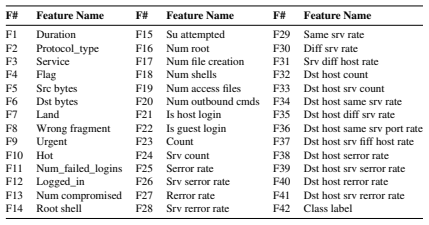
TABLE 1 : List of features on NSL-KDD dataset
원문 · CC BY 4.0 · Hooman Alavizadeh, Julian Jang-Jaccard, Hootan Alavizadeh · Deep Q-Learning based Reinforcement Learning Approach for Network Intrusion Detection · 원문 그림 인용 · 원본 PDF 2쪽에서 그림 영역을 추출했습니다.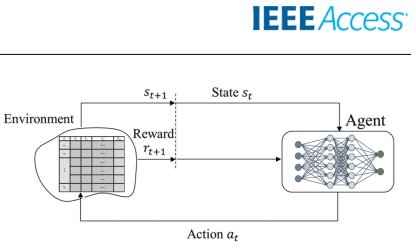
FIGURE 1 : DQN model based on agent-environment inter- action
원문 · CC BY 4.0 · Hooman Alavizadeh, Julian Jang-Jaccard, Hootan Alavizadeh · Deep Q-Learning based Reinforcement Learning Approach for Network Intrusion Detection · 원문 그림 인용 · 원본 PDF 3쪽에서 그림 영역을 추출했습니다.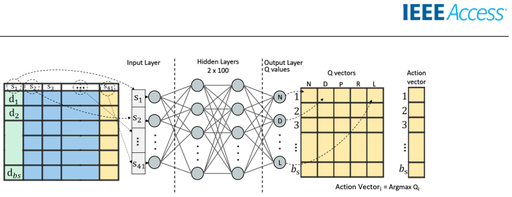
FIGURE 2 : DQN model prediction using states and deep neural network, the outputs are Q-values, and actions are computed based onargmaxQ i for the current state.
원문 · CC BY 4.0 · Hooman Alavizadeh, Julian Jang-Jaccard, Hootan Alavizadeh · Deep Q-Learning based Reinforcement Learning Approach for Network Intrusion Detection · 원문 그림 인용 · 원본 PDF 5쪽에서 그림 영역을 추출했습니다.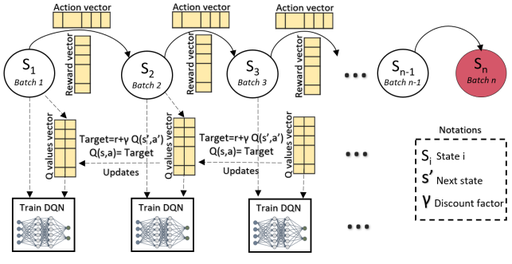
FIGURE 3 : State transition Markov diagram for DQN agent training process based on current and next states prediction and training.
원문 · CC BY 4.0 · Hooman Alavizadeh, Julian Jang-Jaccard, Hootan Alavizadeh · Deep Q-Learning based Reinforcement Learning Approach for Network Intrusion Detection · 원문 그림 인용 · 원본 PDF 5쪽에서 그림 영역을 추출했습니다.신경망은 입력층 41개 뉴런, 각 100개 뉴런의 은닉층 2개, 출력층 5개 뉴런으로 구성되며 모든 층에 ReLU 활성화 함수가 적용됩니다. 출력층의 다섯 값은 Normal, Probe, DoS, U2R, R2L 클래스에 대한 Q값에 대응합니다. 탐색 확률 ε은 0.9에서 시작하고 감소율 0.99에 따라 줄어듭니다.
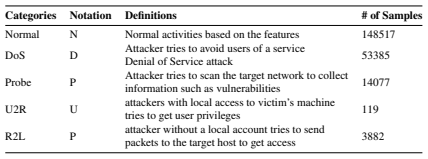
TABLE 2 : NSL-KDD data-record classes
원문 · CC BY 4.0 · Hooman Alavizadeh, Julian Jang-Jaccard, Hootan Alavizadeh · Deep Q-Learning based Reinforcement Learning Approach for Network Intrusion Detection · 원문 그림 인용 · 원본 PDF 4쪽에서 그림 영역을 추출했습니다.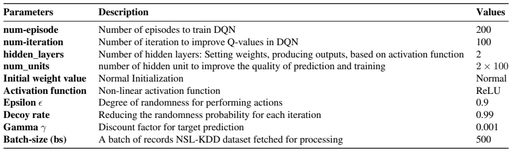
TABLE 3 : DQL agent and Neural Network parameters.
원문 · CC BY 4.0 · Hooman Alavizadeh, Julian Jang-Jaccard, Hootan Alavizadeh · Deep Q-Learning based Reinforcement Learning Approach for Network Intrusion Detection · 원문 그림 인용 · 원본 PDF 7쪽에서 그림 영역을 추출했습니다.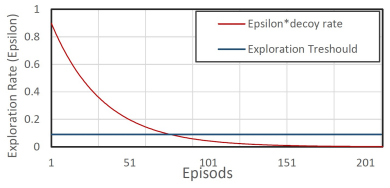
FIGURE 5 : Exploration strategy using Epsilon-greedy ap- proach
원문 · CC BY 4.0 · Hooman Alavizadeh, Julian Jang-Jaccard, Hootan Alavizadeh · Deep Q-Learning based Reinforcement Learning Approach for Network Intrusion Detection · 원문 그림 인용 · 원본 PDF 7쪽에서 그림 영역을 추출했습니다.할인 계수와 학습 에피소드 수 실험
할인 계수 γ는 0.001, 0.01, 0.1, 0.9 등 여러 값에서 손실과 보상을 비교했습니다. 원문은 λ=0.001에서 손실이 더 낮고, 더 큰 할인 계수에서 손실이 높아지는 경향을 보고합니다. 표 4의 테스트 결과에서는 γ=0.001 조건의 정확도가 0.7807로, γ=0.1의 0.7473과 γ=0.9의 0.7578보다 높습니다. 정밀도, 재현율, F1 점수도 같은 표에서 γ=0.001 조건이 가장 높게 보고되었습니다.
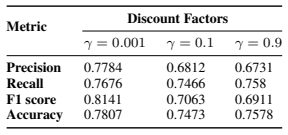
TABLE 4 : Performance evaluation of DQL based on various discount factor values.
원문 · CC BY 4.0 · Hooman Alavizadeh, Julian Jang-Jaccard, Hootan Alavizadeh · Deep Q-Learning based Reinforcement Learning Approach for Network Intrusion Detection · 원문 그림 인용 · 원본 PDF 10쪽에서 그림 영역을 추출했습니다.학습 에피소드 수는 100부터 300까지 그림 9로 비교되었습니다. 정확도는 250 에피소드까지 상승하는 경향을 보였고 300 에피소드에서는 낮아졌으며, 이 결과를 바탕으로 저자들은 250 에피소드를 최적 에피소드 수로 제시합니다. 이 비교는 NSL-KDD 데이터셋과 해당 실험 설정에서 얻은 결과입니다.
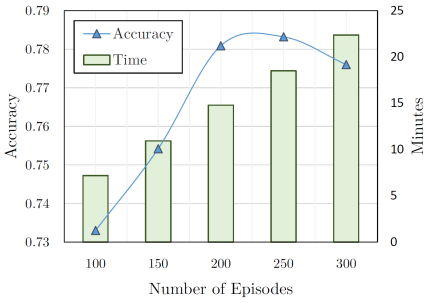
FIGURE 9 : Performance of DRL process based on different episodes
원문 · CC BY 4.0 · Hooman Alavizadeh, Julian Jang-Jaccard, Hootan Alavizadeh · Deep Q-Learning based Reinforcement Learning Approach for Network Intrusion Detection · 원문 그림 인용 · 원본 PDF 10쪽에서 그림 영역을 추출했습니다.클래스별 성능과 기존 방법과의 비교
표 5는 할인 계수 0.001과 200 에피소드 조건에서 Normal, DoS, Probe, R2L 클래스별 정확도를 보고합니다. Normal의 정확도는 0.8094, DoS는 0.9247, Probe는 0.9463, R2L은 0.8848입니다. 다만 원문은 R2L이 샘플 분포의 불균형 때문에 결과가 매우 낮다고 설명하며, 이 표의 R2L 수치와 상충하는 해석은 원문에 따로 제시되지 않습니다. 서론이 언급한 90% 이상의 정확도는 표 4의 전체 정확도 0.7807과 같은 조건이 아니므로 별도 주장으로 읽어야 합니다.
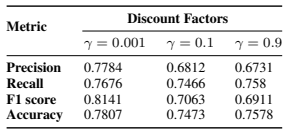
TABLE 5 : Evaluation metrics for DQL Model based on each classes
원문 · CC BY 4.0 · Hooman Alavizadeh, Julian Jang-Jaccard, Hootan Alavizadeh · Deep Q-Learning based Reinforcement Learning Approach for Network Intrusion Detection · 원문 그림 인용 · 원본 PDF 10쪽에서 그림 영역을 추출했습니다.표 6은 SOM, RF, BiLSTM, CNN-BiLSTM, Naive Bayes, SVM 등 인용 문헌의 정확도와 학습 시간을 DQL과 비교합니다. DQL의 정확도는 78%로 기재되며, 학습 시간은 21로 기재됩니다. 표 7의 F1 점수 비교에서는 Normal 클래스에서 CNN과 CNN-BiLSTM이 더 높고, DQL은 DoS, Probe, R2L에서 비교 대상보다 높게 보고됩니다. 이 비교 점수는 인용 문헌의 조건과 저자 측정 조건이 같다고 확인되지 않으므로 하나의 공통 프로토콜로 묶지 않습니다.
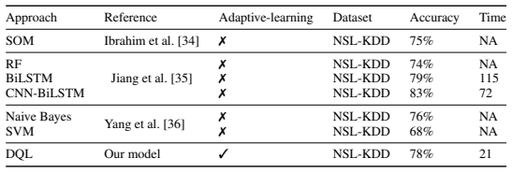
TABLE 6 : Comparing our model’s accuracy and time with other studies in the literature
원문 · CC BY 4.0 · Hooman Alavizadeh, Julian Jang-Jaccard, Hootan Alavizadeh · Deep Q-Learning based Reinforcement Learning Approach for Network Intrusion Detection · 원문 그림 인용 · 원본 PDF 11쪽에서 그림 영역을 추출했습니다.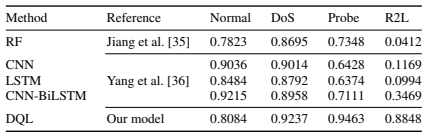
TABLE 7 : Comparing our model’s performance in classifica- tion with other studies in the literature
원문 · CC BY 4.0 · Hooman Alavizadeh, Julian Jang-Jaccard, Hootan Alavizadeh · Deep Q-Learning based Reinforcement Learning Approach for Network Intrusion Detection · 원문 그림 인용 · 원본 PDF 11쪽에서 그림 영역을 추출했습니다.적용 범위와 한계
이 연구의 실험은 NSL-KDD 데이터셋과 제시된 설정에서 수행되었습니다. 소수 클래스인 R2L은 샘플 수가 적어 결과가 낮게 나타났으며, 저자들은 이를 불균형 분포 때문으로 설명합니다. 저자들은 실시간 클라우드 환경 배포와 Android 악성코드, 랜섬웨어 탐지 적용을 향후 과제로 제시하며 이번 연구에서 이를 수행했다고 명시하지 않습니다. 또한 표 6과 표 7의 비교 점수는 인용 문헌의 측정 조건과 함께 읽어야 합니다.
논문 정보
- 저자
- Hooman Alavizadeh, Julian Jang-Jaccard, Hootan Alavizadeh
- 학회·저널
- arXiv · 프리프린트
- 최초 공개일
- 2021년 11월 27일
- 등록일
- 2026년 11월 6일
- 수정일
- 2021년 11월 27일
- 버전
- v1
- arXiv
- 2111.13978
- 분류
- cs.CR · cs.AI
- 원문 이용 조건
- CC BY 4.0
- 제공 범위
- 논문 정보, 해설, 허용된 원문 그림
AI 해설은 논문 원문과 별개의 설명이며 오류가 있을 수 있습니다. 원문과 그림은 각 출처의 이용 조건과 따로 표시된 권리를 따릅니다.
초록
The rise of the new generation of cyber threats demands more sophisticated and intelligent cyber defense solutions equipped with autonomous agents capable of learning to make decisions without the knowledge of human experts. Several reinforcement learning methods (e.g., Markov) for automated network intrusion tasks have been proposed in recent years. In this paper, we introduce a new generation of network intrusion detection methods that combines a Q-learning-based reinforcement learning with a deep-feed forward neural network method for network intrusion detection. Our proposed Deep Q-Learning (DQL) model provides an ongoing auto-learning capability for a network environment that can detect different types of network intrusions using an automated trial-error approach and continuously enhance its detection capabilities. We provide the details of fine-tuning different hyperparameters involved in the DQL model for more effective self-learning. According to our extensive experimental results based on the NSL-KDD dataset, we confirm that the lower discount factor which is set as 0.001 under 250 episodes of training yields the best performance results. Our experimental results also show that our proposed DQL is highly effective in detecting different intrusion classes and outperforms other similar machine learning approaches.
원문 인용
Hooman Alavizadeh, Julian Jang-Jaccard, Hootan Alavizadeh (2021). Deep Q-Learning based Reinforcement Learning Approach for Network Intrusion Detection. arXiv:2111.13978v1. https://arxiv.org/abs/2111.13978v1
BibTeX
@misc{alavizadeh2021deep,
  title = {{Deep Q-Learning based Reinforcement Learning Approach for Network Intrusion Detection}},
  author = {Hooman Alavizadeh and Julian Jang-Jaccard and Hootan Alavizadeh},
  year = {2021},
  eprint = {2111.13978},
  archivePrefix = {arXiv},
  url = {https://arxiv.org/abs/2111.13978v1}
}