論文解説
A review of ensemble learning and data augmentation models for class imbalanced problems: combination, implementation and evaluation
クラス不均衡問題のためのアンサンブル学習およびデータ拡張モデルのレビュー:組み合わせ、実装、評価
- 課題 クラス不均衡データでは、一般的な分類モデルが多数クラスに偏り、少数クラスの分類に失敗しやすくなります。
- 手法 9種類のデータ拡張手法と9種類のアンサンブル学習手法を、二値および多クラスの不均衡データセットで比較する計算評価の枠組みを用いています。
- 結果 SMOTE-LightGBMとROS-LightGBMが最も効果的な組み合わせと報告されており、CT-GANは最上位の性能には届きませんでした。
クラス不均衡問題と研究課題
クラス不均衡(CI)とは、あるクラスの観測数が他のクラスより少ない状況を指します。このとき一般的な分類モデルは多数クラスに偏り、少数クラスを誤分類しやすくなります。論文では、全体の精度が98%に達しても、医療診断のように少数クラスを見逃すとモデルが実際には役に立たないことがあると指摘されています。そのため、精度の代わりに感度、特異度、F1スコアなどの指標が併用されます。
この論文は、データ拡張とアンサンブル学習を組み合わせる複数の方法のうち、どの組み合わせが不均衡データで分類性能を最も効果的に高めるかを計算実験で評価します。著者らは、9種類のデータ拡張手法と9種類のアンサンブル学習手法を一つの枠組みで比較しています。
評価の枠組みとデータ拡張手法
評価の枠組みは、二値の不均衡データセットと多クラスデータセットを入力として受け取ります。各学習の実行では、分類の段階の前にデータ拡張を適用し、学習データのクラス不均衡を減らします。その後、拡張された学習データでアンサンブルモデルを学習し、データを60:40に分割したテストデータで精度、F1スコア、AUCを測定します。
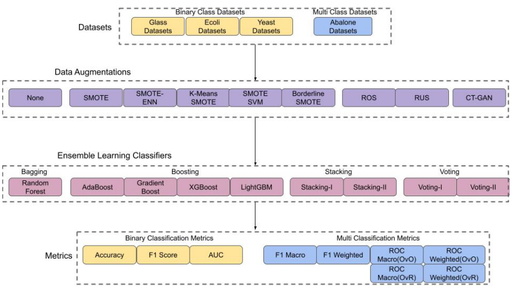
Figure 4 : The evaluation framework showing the family of datasets, data augmentation methods, ensemble learning methods, and evaluation metrics for binary and multi-class classification tasks.
出典 · CC BY 4.0 · Azal Ahmad Khan, Omkar Chaudhari, Rohitash Chandra · A review of ensemble learning and data augmentation models for class imbalanced problems: combination, implementation and evaluation · 論文の図を引用 · 元のPDFの12ページ目から図の部分を抽出しています。データ拡張手法としては、SMOTE、SMOTE-ENN、Borderline SMOTE、SVM-SMOTE、ADASYN、RUS、ROS、CT-GANが使われます。SMOTEは、少数クラスのサンプルとその最近傍を結ぶ線分上に合成サンプルを作る手法です。SMOTE-ENNは、SMOTEの後に編集された最近傍ルールでノイズサンプルを取り除きます。CT-GANは、離散列と連続列が混在する表形式データを生成するように設計された、条件付きGANベースの手法です。この研究では、CT-GANを新しいデータ拡張手法として用います。
アンサンブルモデルと評価指標
アンサンブルモデルとしては、LightGBM、AdaBoost、XGBoost、Gradient Boosting、Random Forest、Voting-Soft、Voting-Hard、Stacking-I、Stacking-IIが使われます。論文では、これらはバギング、ブースティング、スタッキング、ボーティングに基づくと説明されています。特にLightGBMは、複数のデータ拡張手法を順位付けする際の固定のアンサンブルモデルとして使われました。
二値分類では、精度、F1スコア、AUCを使います。不均衡データでは、精度だけでは少数クラスの失敗が見えにくいことが、この指標を選んだ理由です。不均衡の程度は、陰性インスタンス数を陽性インスタンス数で割った不均衡比率(IR)で表されます。多クラスの評価では、Macro-F1と、OvOおよびOvR方式のAUCが使われます。
二値および多クラスの結果の要約
二値分類の結果は、Glass、Yeast、Ecoliデータセットの複数の変種について、平均値、最大値、標準偏差で報告されています。この研究では、データセットの集合ごとに、F1スコアで比べると、データ拡張手法とアンサンブルモデルを順位付けしています。論文によると、Ecoli系列ではADASYNが最も高い順位を得て、Glass系列ではSMOTE-ENNが最も高い順位を得ました。最も良い組み合わせとして、SMOTEとLightGBM、ROSとLightGBMが報告されています。
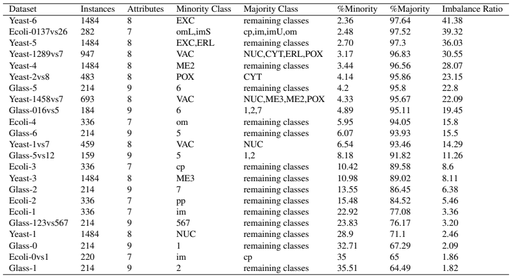
Table 2 : Description of the binary class datasets used in the computational study
出典 · CC BY 4.0 · Azal Ahmad Khan, Omkar Chaudhari, Rohitash Chandra · A review of ensemble learning and data augmentation models for class imbalanced problems: combination, implementation and evaluation · 論文の図を引用 · 元のPDFの14ページ目から図の部分を抽出しています。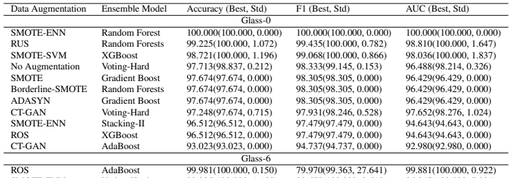
Table 4 : Test results for glass datasets
出典 · CC BY 4.0 · Azal Ahmad Khan, Omkar Chaudhari, Rohitash Chandra · A review of ensemble learning and data augmentation models for class imbalanced problems: combination, implementation and evaluation · 論文の図を引用 · 元のPDFの15ページ目から図の部分を抽出しています。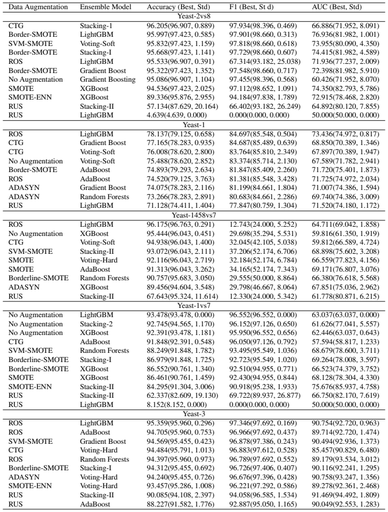
Table 5 : Test results for the Yeast datasets
出典 · CC BY 4.0 · Azal Ahmad Khan, Omkar Chaudhari, Rohitash Chandra · A review of ensemble learning and data augmentation models for class imbalanced problems: combination, implementation and evaluation · 論文の図を引用 · 元のPDFの16ページ目から図の部分を抽出しています。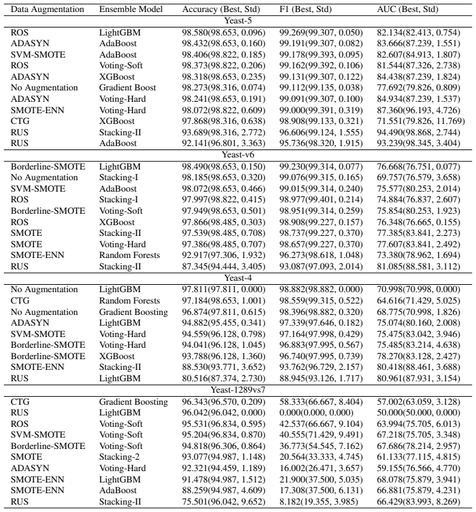
Table 6 : Test results for Yeast datasets.
出典 · CC BY 4.0 · Azal Ahmad Khan, Omkar Chaudhari, Rohitash Chandra · A review of ensemble learning and data augmentation models for class imbalanced problems: combination, implementation and evaluation · 論文の図を引用 · 元のPDFの17ページ目から図の部分を抽出しています。多クラスの実験は、Abaloneデータを5つの年齢区間に変換したうえで、3クラスと4クラスの変種を構成した評価です。この結果は、指標や集計方法によって最も良い組み合わせが変わるため、単一の組み合わせですべての評価を代表するのは難しいです。

Table 3 : Description of the multi-class datasets used in the experimental study
出典 · CC BY 4.0 · Azal Ahmad Khan, Omkar Chaudhari, Rohitash Chandra · A review of ensemble learning and data augmentation models for class imbalanced problems: combination, implementation and evaluation · 論文の図を引用 · 元のPDFの14ページ目から図の部分を抽出しています。
Table 9 : Best and worst performing combinations of the Abalone datasets according to F1 macro-average score
出典 · CC BY 4.0 · Azal Ahmad Khan, Omkar Chaudhari, Rohitash Chandra · A review of ensemble learning and data augmentation models for class imbalanced problems: combination, implementation and evaluation · 論文の図を引用 · 元のPDFの20ページ目から図の部分を抽出しています。
Table 10 : Best and worst performing combinations of the Abalone dataset according to F1 weighted-average score.
出典 · CC BY 4.0 · Azal Ahmad Khan, Omkar Chaudhari, Rohitash Chandra · A review of ensemble learning and data augmentation models for class imbalanced problems: combination, implementation and evaluation · 論文の図を引用 · 元のPDFの20ページ目から図の部分を抽出しています。
Table 11 : Best and worst performing combinations of the Abalone dataset according to AUC macro-average score (One vs. One approach).
出典 · CC BY 4.0 · Azal Ahmad Khan, Omkar Chaudhari, Rohitash Chandra · A review of ensemble learning and data augmentation models for class imbalanced problems: combination, implementation and evaluation · 論文の図を引用 · 元のPDFの20ページ目から図の部分を抽出しています。
Table 12 : Best and worst performing combinations of the Abalone datasets according to AUC macro-average score (One vs. Rest approach).
出典 · CC BY 4.0 · Azal Ahmad Khan, Omkar Chaudhari, Rohitash Chandra · A review of ensemble learning and data augmentation models for class imbalanced problems: combination, implementation and evaluation · 論文の図を引用 · 元のPDFの20ページ目から図の部分を抽出しています。
Table 13 : Best and worst performing combinations of the Abalone dataset according to AUC weighted-average score (One vs. One approach).
出典 · CC BY 4.0 · Azal Ahmad Khan, Omkar Chaudhari, Rohitash Chandra · A review of ensemble learning and data augmentation models for class imbalanced problems: combination, implementation and evaluation · 論文の図を引用 · 元のPDFの20ページ目から図の部分を抽出しています。
Table 14 : Best and worst performing combinations of the Abalone datasets according to AUC weighted-average (One vs. Rest approach).
出典 · CC BY 4.0 · Azal Ahmad Khan, Omkar Chaudhari, Rohitash Chandra · A review of ensemble learning and data augmentation models for class imbalanced problems: combination, implementation and evaluation · 論文の図を引用 · 元のPDFの20ページ目から図の部分を抽出しています。結論の解釈と適用範囲
著者らは、SMOTE-LightGBMとROS-LightGBMを最も効果的な組み合わせとして報告しています。また、CT-GANは最上位の性能には届かず、SMOTEとROSはGANより性能が高く計算コストも低いと報告しています。ただし、この結果はGlass、Yeast、Ecoliなど比較的小規模な表形式データセットで得られたものです。
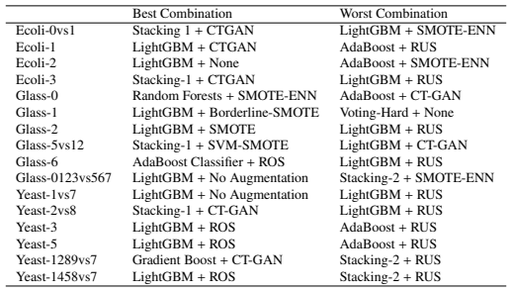
Table 8 : Best and worst performing combinations for all datasets.
出典 · CC BY 4.0 · Azal Ahmad Khan, Omkar Chaudhari, Rohitash Chandra · A review of ensemble learning and data augmentation models for class imbalanced problems: combination, implementation and evaluation · 論文の図を引用 · 元のPDFの20ページ目から図の部分を抽出しています。そのため、この結果を大規模データや画像・テキストなど他のモダリティにそのまま広げることは難しいです。論文でも、ベンチマークデータセットが小さく、多様な応用分野を十分に代表していないことが限界として挙げられています。
論文情報
- 著者
- Azal Ahmad Khan, Omkar Chaudhari, Rohitash Chandra
- 学会・ジャーナル
- arXiv · プレプリント
- 公開日
- 2023年4月6日
- 登録日
- 2026年11月6日
- 更新日
- 2023年11月27日
- バージョン
- v3
- arXiv
- 2304.02858
- カテゴリ
- cs.LG · cs.AI · stat.ML
- ライセンス
- CC BY 4.0
- 掲載内容
- 論文情報・解説・論文の図
この解説は、Refivuの韓国語解説をAIで翻訳したものです。不正確な翻訳や誤りが含まれる可能性があります。論文と図の利用条件は各出典に従います。
アブストラクト
Class imbalance (CI) in classification problems arises when the number of observations belonging to one class is lower than the other. Ensemble learning combines multiple models to obtain a robust model and has been prominently used with data augmentation methods to address class imbalance problems. In the last decade, a number of strategies have been added to enhance ensemble learning and data augmentation methods, along with new methods such as generative adversarial networks (GANs). A combination of these has been applied in many studies, and the evaluation of different combinations would enable a better understanding and guidance for different application domains. In this paper, we present a computational study to evaluate data augmentation and ensemble learning methods used to address prominent benchmark CI problems. We present a general framework that evaluates 9 data augmentation and 9 ensemble learning methods for CI problems. Our objective is to identify the most effective combination for improving classification performance on imbalanced datasets. The results indicate that combinations of data augmentation methods with ensemble learning can significantly improve classification performance on imbalanced datasets. We find that traditional data augmentation methods such as the synthetic minority oversampling technique (SMOTE) and random oversampling (ROS) are not only better in performance for selected CI problems, but also computationally less expensive than GANs. Our study is vital for the development of novel models for handling imbalanced datasets.
この論文を引用
Azal Ahmad Khan, Omkar Chaudhari, Rohitash Chandra (2023). A review of ensemble learning and data augmentation models for class imbalanced problems: combination, implementation and evaluation. arXiv:2304.02858v3. https://arxiv.org/abs/2304.02858v3
BibTeX
@misc{khan2023review,
  title = {{A review of ensemble learning and data augmentation models for class imbalanced problems: combination, implementation and evaluation}},
  author = {Azal Ahmad Khan and Omkar Chaudhari and Rohitash Chandra},
  year = {2023},
  eprint = {2304.02858},
  archivePrefix = {arXiv},
  url = {https://arxiv.org/abs/2304.02858v3}
}