논문 해설
CNN based Multistage Gated Average Fusion (MGAF) for Human Action Recognition Using Depth and Inertial Sensors
깊이 및 관성 센서를 이용한 인간 행동 인식을 위한 CNN 기반 다단계 게이트 평균 융합(MGAF)
- 연구 문제 깊이와 관성 센서 기반 HAR에서 CNN의 여러 계층 특징을 융합하면서 차원 증가와 계산 비용을 줄이는 방법이 필요합니다.
- 연구 방법 깊이 데이터는 SFI로, 관성 데이터는 SI로 변환해 두 CNN에 입력하고, 각 계층 특징을 high boost 커널 기반 게이트와 평균 방식으로 융합합니다.
- 주요 결과 세 공개 데이터셋에서 SFI와 SI를 함께 쓴 제안 방법은 UTD-MHAD 99.3, Berkeley MHAD 99.85, UTD Kinect-V2 99.8의 정확도를 보고합니다.
깊이와 관성 센서 융합의 문제
깊이 센서와 관성 센서는 서로 보완적인 정보를 제공하지만, 두 모달리티를 어느 단계에서 어떻게 결합할지는 여전히 중요한 문제입니다. 기존 깊이-관성 융합 연구에는 특징 수준 융합과 결정 수준 융합이 함께 쓰였으며, 결정 수준 융합은 모달리티마다 분류기를 학습해야 하고 상관된 정보를 초기 단계에서 결합하지 못한다는 한계가 있습니다. 한편 특징 수준 융합에서 연결(concatenation)을 쓰면 특징 차원이 커져 계산 비용이 늘고 정확도가 떨어질 수 있다고 원문은 설명합니다.
이 논문은 CNN의 여러 계층에서 중간 특징을 추출하고, 융합 후에도 특징 맵의 크기를 입력 크기와 같게 유지하는 방법을 제안합니다. 따라서 다룰 질문은 모든 계층의 특징을 활용하면서 차원을 억제하고 인식 정확도를 높일 수 있는지입니다.
MGAF의 입력 변환과 GAF 융합
MGAF는 깊이 데이터를 정면 뷰 기반의 sequential front view images(SFI)로, 관성 데이터의 여섯 신호 시퀀스를 signal images(SI)로 변환하여 두 개의 같은 구조 CNN에 입력합니다. SI는 가속도 세 축과 각속도 세 축을 행 단위로 쌓아 만들며, 원문에 따르면 신호 순서 조합과 샘플링 속도 50Hz를 반영해 24 x 52 크기로 만든 뒤 64 x 64로 크기를 맞춥니다.
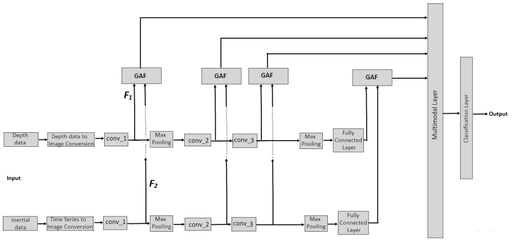
Fig. 1 : Complete Overview of the Proposed Multistage Gated Average Fusion (MGAF) network.
원문 · CC BY 4.0 · Zeeshan Ahmad, Naimul khan · CNN based Multistage Gated Average Fusion (MGAF) for Human Action Recognition Using Depth and Inertial Sensors · 원문 그림 인용 · 원본 PDF 4쪽에서 그림 영역을 추출했습니다.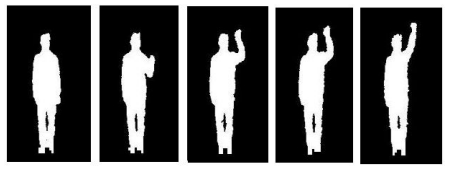
Fig. 4 : Five samples of Sequential Front View Images of Hand Catch
원문 · CC BY 4.0 · Zeeshan Ahmad, Naimul khan · CNN based Multistage Gated Average Fusion (MGAF) for Human Action Recognition Using Depth and Inertial Sensors · 원문 그림 인용 · 원본 PDF 5쪽에서 그림 영역을 추출했습니다.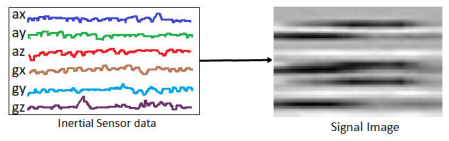
Fig. 5 : Formation of Signal Image from Inertial sensor data
원문 · CC BY 4.0 · Zeeshan Ahmad, Naimul khan · CNN based Multistage Gated Average Fusion (MGAF) for Human Action Recognition Using Depth and Inertial Sensors · 원문 그림 인용 · 원본 PDF 6쪽에서 그림 영역을 추출했습니다.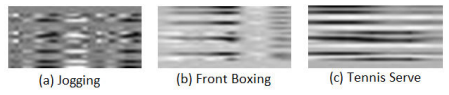
Fig. 6 : Signal Images of three different actions
원문 · CC BY 4.0 · Zeeshan Ahmad, Naimul khan · CNN based Multistage Gated Average Fusion (MGAF) for Human Action Recognition Using Depth and Inertial Sensors · 원문 그림 인용 · 원본 PDF 6쪽에서 그림 영역을 추출했습니다.GAF 네트워크는 각 CNN의 특징 맵을 N x M 2차원 형태로 바꾼 뒤 high boost kernel로 합성곱합니다. 이때 kernel의 중심 값은 A + 8 형태에서 실험적으로 9로 고른 것입니다. 합성곱 결과에 시그모이드를 적용해 게이트 값 G1과 G2를 만들고, 각 모달리티의 특징 맵 F1, F2에 원소별로 곱한 뒤 더합니다. 원문 식은 Ff(j) = G1 ⊙ F1(j) + G2 ⊙ F2(j)이며, 입력 특징 맵과 같은 크기의 융합 맵을 유지합니다. 따라서 모달리티 수가 늘어도 융합 맵 크기가 바뀌지 않습니다.
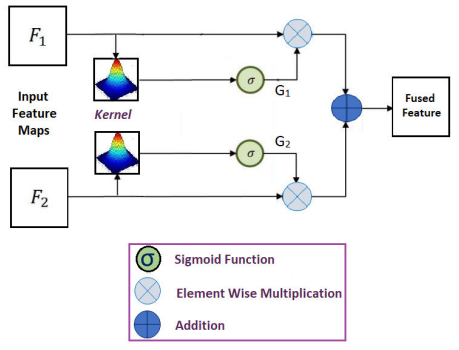
Fig. 2 : Architecture of the proposed Gated Average Fusion (GAF) network.
원문 · CC BY 4.0 · Zeeshan Ahmad, Naimul khan · CNN based Multistage Gated Average Fusion (MGAF) for Human Action Recognition Using Depth and Inertial Sensors · 원문 그림 인용 · 원본 PDF 4쪽에서 그림 영역을 추출했습니다.본 설명의 조건은 두 모달리티와 고정 커널 설정에 대한 것이며, 원문의 평균 방식 비교에서는 게이트 값을 1로 둡니다.
세 데이터셋에서의 비교 검증
실험은 UTD-MHAD, Berkeley MHAD, UTD Kinect-V2 세 공개 데이터셋에서 수행되었습니다. 평가는 피험자 특정 설정에서 데이터를 무작위로 80% 학습, 20% 테스트로 나누고 20회 반복한 평균 정확도로 보고됩니다. UTD-MHAD의 관성 데이터는 증강을 거친 뒤 Table I의 샘플 수를 사용하며, Berkeley MHAD에서는 두 가속도계 A1과 A4를 행 단위로 쌓아 여섯 시퀀스를 구성합니다.
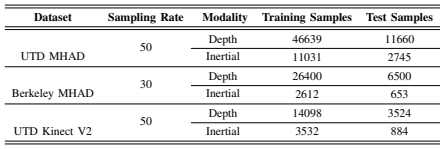
원문 그림 TABLE I: Dataset Information
원문 · CC BY 4.0 · Zeeshan Ahmad, Naimul khan · CNN based Multistage Gated Average Fusion (MGAF) for Human Action Recognition Using Depth and Inertial Sensors · 원문 그림 인용 · 원본 PDF 7쪽에서 그림 영역을 추출했습니다.절제 실험은 연결, 평균 융합, 커널 없는 게이트 융합을 제안 방법과 비교합니다. 평균 융합은 G1 = 1, G2 = 1로 두는 방식이며, 커널 없는 게이트 융합은 시그모이드를 입력 특징 맵에 직접 적용합니다. 두 모달리티(SFI + SI) 결과에서 UTD-MHAD의 제안 방법은 99.3, Berkeley MHAD는 99.85, UTD Kinect-V2는 99.8로 보고됩니다. 같은 표에서 연결 융합은 세 데이터셋 모두에서 평균 융합과 게이트 융합보다 낮게 나타납니다. 이 결과는 해당 세 데이터셋과 이 논문의 SFI·SI 설정에서 얻은 것입니다.

원문 그림 TABLE II: Experimental results on UTD MHAD
원문 · CC BY 4.0 · Zeeshan Ahmad, Naimul khan · CNN based Multistage Gated Average Fusion (MGAF) for Human Action Recognition Using Depth and Inertial Sensors · 원문 그림 인용 · 원본 PDF 8쪽에서 그림 영역을 추출했습니다.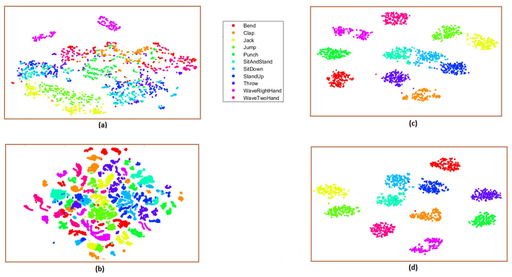
Fig. 7 : Features Visualization of Berkeley MHAD. (a) Features without fusion. (b) Features grouping after concatenation. (c) Features grouping after average fusion. (d) Features grouping after gated average fusion.
원문 · CC BY 4.0 · Zeeshan Ahmad, Naimul khan · CNN based Multistage Gated Average Fusion (MGAF) for Human Action Recognition Using Depth and Inertial Sensors · 원문 그림 인용 · 원본 PDF 9쪽에서 그림 영역을 추출했습니다.계산 범위와 한계
원문은 계산 효율을 학습 속도, 추론 속도, 학습 파라미터 수로 비교합니다. Table V는 UTD-MHAD에서 제안 SFI + SI 모델의 학습 시간이 58분, 추론 시간이 132µs, 학습 파라미터 수가 1229814임을 보고합니다. 이는 이전 연구 [18]의 값과 비교한 결과입니다.

원문 그림 TABLE V: Comparison of Computational Cost of Proposed MGAF with previous state of art on UTD-MHAD Dataset
원문 · CC BY 4.0 · Zeeshan Ahmad, Naimul khan · CNN based Multistage Gated Average Fusion (MGAF) for Human Action Recognition Using Depth and Inertial Sensors · 원문 그림 인용 · 원본 PDF 8쪽에서 그림 영역을 추출했습니다.저자들은 입력 영상 크기가 매우 크거나 CNN이 더 깊으면 모든 계층의 특징을 추출해 융합하는 방식이 계산적으로 실현되기 어렵다고 밝힙니다. 어떤 계층을 자동으로 선택할지는 후속 과제로 남아 있습니다.
논문 정보
- 저자
- Zeeshan Ahmad, Naimul khan
- 학회·저널
- arXiv · 프리프린트
- 최초 공개일
- 2020년 10월 29일
- 등록일
- 2026년 11월 6일
- 수정일
- 2020년 10월 29일
- 버전
- v1
- arXiv
- 2010.16073
- 분류
- cs.CV · cs.LG · cs.MM · eess.IV
- 원문 이용 조건
- CC BY 4.0
- 제공 범위
- 논문 정보, 해설, 허용된 원문 그림
AI 해설은 논문 원문과 별개의 설명이며 오류가 있을 수 있습니다. 원문과 그림은 각 출처의 이용 조건과 따로 표시된 권리를 따릅니다.
초록
Convolutional Neural Network (CNN) provides leverage to extract and fuse features from all layers of its architecture. However, extracting and fusing intermediate features from different layers of CNN structure is still uninvestigated for Human Action Recognition (HAR) using depth and inertial sensors. To get maximum benefit of accessing all the CNN's layers, in this paper, we propose novel Multistage Gated Average Fusion (MGAF) network which extracts and fuses features from all layers of CNN using our novel and computationally efficient Gated Average Fusion (GAF) network, a decisive integral element of MGAF. At the input of the proposed MGAF, we transform the depth and inertial sensor data into depth images called sequential front view images (SFI) and signal images (SI) respectively. These SFI are formed from the front view information generated by depth data. CNN is employed to extract feature maps from both input modalities. GAF network fuses the extracted features effectively while preserving the dimensionality of fused feature as well. The proposed MGAF network has structural extensibility and can be unfolded to more than two modalities. Experiments on three publicly available multimodal HAR datasets demonstrate that the proposed MGAF outperforms the previous state of the art fusion methods for depth-inertial HAR in terms of recognition accuracy while being computationally much more efficient. We increase the accuracy by an average of 1.5 percent while reducing the computational cost by approximately 50 percent over the previous state of the art.
원문 인용
Zeeshan Ahmad, Naimul khan (2020). CNN based Multistage Gated Average Fusion (MGAF) for Human Action Recognition Using Depth and Inertial Sensors. arXiv:2010.16073v1. https://arxiv.org/abs/2010.16073v1
BibTeX
@misc{ahmad2020based,
  title = {{CNN based Multistage Gated Average Fusion (MGAF) for Human Action Recognition Using Depth and Inertial Sensors}},
  author = {Zeeshan Ahmad and Naimul khan},
  year = {2020},
  eprint = {2010.16073},
  archivePrefix = {arXiv},
  url = {https://arxiv.org/abs/2010.16073v1}
}