논문 해설
Symbiotic System of Systems Design for Safe and Resilient Autonomous Robotics in Offshore Wind Farms
해상 풍력 발전단지의 안전하고 회복력 있는 자율 로보틱스를 위한 공생적 시스템 오브 시스템즈 설계
- 연구 문제 해상풍력 BVLOS 로봇 운용에서 실행 중 안전성과 회복성을 검증할 방법이 부족합니다.
- 연구 방법 SSOSA와 SDA로 로봇, 디지털 트윈, 인간 운영자를 C3 거버넌스로 연결하고 런타임 신뢰성 온톨로지로 결함을 진단합니다.
- 주요 결과 밀폐 공간 검사 임무에서 경고 없음, 경고만 있음, 다수 경고와 주요 결함의 세 시나리오에 대해 온톨로지의 반응을 보고하고, 온톨로지 규모와 FMCW 부식 검사 신호를 함께 제시합니다.
해상풍력 로봇 운용의 안전성과 회복성 문제
해상풍력 발전단지에서 O&M 비용의 대부분은 점검 인력을 현장에 보내는 데 쓰입니다. 이 때문에 로봇을 활용한 자율 점검이 주목받고 있으며, 시야 밖 비행(BVLOS) 로봇 운용은 안전 규정 준수와 회복성 문제로 상용화가 제약됩니다. 원문은 실행 중 자율 임무의 안전성, 신뢰성, 회복성을 검증하는 방법이 부족하다는 점을 문제로 제시합니다.
이 논문은 이 문제를 해결하기 위해 Symbiotic System of Systems Approach(SSOSA)와 Symbiotic Digital Architecture(SDA)를 제안합니다. 논문의 범위는 Tier 1 'Adapt and Survive' 단계, 즉 정해진 임무 목표 아래에서 위험을 완화하고 안전 조건을 지키며 임무를 완료하는 단계입니다.
SSOSA와 SDA의 구조
SSOSA는 로봇 플랫폼과 인간 운영자가 C3(협력, 공동작업, 상호확증) 거버넌스로 상호작용하도록 설계된 접근입니다. SDA는 이를 구현한 시스템 공학 기반 아키텍처로, 로봇, 환경, 인프라의 디지털 모델을 디지털 트윈(DT)에서 동기화하고 양방향 통신과 엣지 분석을 통합합니다.
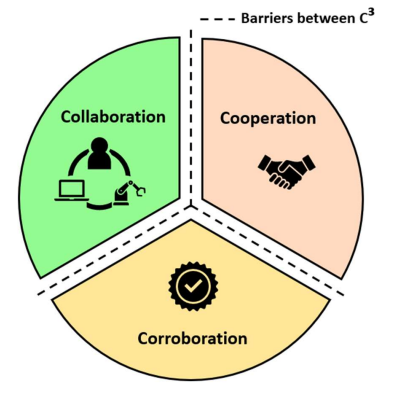
Figure 3 Barriers to achieving symbiosis across systems.
원문 · CC BY 4.0 · Daniel Mitchell, Jamie Blanche, Osama Zaki, Joshua Roe, Leo Kong, Samuel Harper, Valentin Robu, Theodore Lim, David Flynn · Symbiotic System of Systems Design for Safe and Resilient Autonomous Robotics in Offshore Wind Farms · 원문 그림 인용 · 원본 PDF 11쪽에서 그림 영역을 추출했습니다.실행 중 안전 판단은 런타임 신뢰성 온톨로지가 담당합니다. 각 핵심 부품에 대해 진단 오토마톤을 구성하고, 센서 기반 상태와 가능한 상태, 정상 상태를 정의합니다. 상태 전이는 내부, 시간, 공간, 외부 이벤트로 발생하며, 구성요소 사이의 관계는 인과, 함의, 방지 같은 이항 관계와 must, might 같은 양상 동사로 표현됩니다. 이 설계는 백엔드 모델로서 SDA와 연결되고, 의사결정 계층에서는 PDDL 기반 계획이 사용됩니다.
밀폐 공간 검사 임무에서의 자기 인증
검증은 육상 훈련 시설을 해상 변전소 플랫폼과 유사하게 구성하여 수행되었습니다. 임무는 A부터 H까지 여덟 단계로 나뉘며, 두 번의 자산 무결성 검사 사이에 무작위 결함을 임무 중 유도하여 온톨로지의 반응을 관찰했습니다.
결과는 시나리오 단위로 보고됩니다. 시나리오 1은 경고나 결함이 감지되지 않아 임무가 성공한 경우이고, 시나리오 2는 경고만 감지되었으나 임무가 계속 가능했던 경우입니다. 시나리오 3은 다수의 경고와 주요 결함이 감지되어 로봇이 자율적으로 임무를 종료한 경우로 보고됩니다. 이 결과는 본 논문의 특정 로봇 플랫폼과 훈련 시설 조건에서 얻은 것입니다.
온톨로지 규모와 추론 시간
온톨로지의 규모 평가에서 공간 요구량은 원시 데이터 크기의 약 25배이며, 두 변수 사이에 선형 관계가 관찰되었다고 보고됩니다. 추론 시간은 온톨로지 크기가 약 3MB를 넘는 구간에서 선형 관계가 되며, 그 구간에서 추론 시간은 약 15ms로 보고됩니다. 이 수치는 해당 임계값 이후의 관찰이며, 임계값 이전 구간의 지수적 증가는 원문에서 이 구간의 초기 거동으로 기술됩니다.
FMCW 레이더 부식 검사와 블레이드 결함 표시
FMCW 레이더는 K-band 24-25.5 GHz 주파수 스윕으로 검사 단계에서 사용되었습니다. 금속 시트와 콘크리트 표적을 센서 팁에서 약 10 cm 거리에 두고 측정한 결과, 부식된 강판과 정상 강판 사이에 반사 신호 진폭의 대비가 관찰되었다고 보고됩니다.
또한 분리된 풍력 터빈 블레이드 시편에서 내부 delamination과 물 유입에 따른 결함을 Asset Integrity Dashboard에 색상 코드로 표시했습니다. 이 결과는 해당 시편과 측정 조건에서의 관찰이며, 실제 운전 중인 블레이드 전체의 검출 성능을 보여주는 것은 아닙니다.
적용 범위와 한계
본 연구의 임무 평가는 하나의 상용 로봇 플랫폼과 육상 훈련 시설에서 수행되었습니다. 원문은 임무 평가에서 안정적인 통신과 충전 전략을 가정했다고 명시하며, 무선 통신 문제는 기지국과 고이득 송수신기로 완화했다고 설명합니다.
또한 온톨로지의 결과는 특정 구성요소 집합과 시나리오에 대한 것이며, 원문이 보고한 시나리오 외의 고장 유형에 대한 일반화는 본 논문에서 다루지 않습니다. 이 논문의 결과는 제안 구조가 작동함을 보이는 증거로 읽어야 하며, 실제 해상 현장 운용의 장기 신뢰성은 이 논문의 범위 밖입니다.
논문 정보
- 저자
- Daniel Mitchell, Jamie Blanche, Osama Zaki, Joshua Roe, Leo Kong, Samuel Harper, Valentin Robu, Theodore Lim, David Flynn
- 학회·저널
- arXiv · 프리프린트
- 최초 공개일
- 2021년 1월 23일
- 등록일
- 2026년 11월 6일
- 수정일
- 2021년 7월 22일
- 버전
- v3
- arXiv
- 2101.09491
- 분류
- cs.RO · cs.AI
- 원문 이용 조건
- CC BY 4.0
- 제공 범위
- 논문 정보, 해설, 허용된 원문 그림
AI 해설은 논문 원문과 별개의 설명이며 오류가 있을 수 있습니다. 원문과 그림은 각 출처의 이용 조건과 따로 표시된 권리를 따릅니다.
초록
To reduce Operation and Maintenance (O&M) costs on offshore wind farms, wherein 80% of the O&M cost relates to deploying personnel, the offshore wind sector looks to Robotics and Artificial Intelligence (RAI) for solutions. Barriers to Beyond Visual Line of Sight (BVLOS) robotics include operational safety compliance and resilience, inhibiting the commercialization of autonomous services offshore. To address safety and resilience challenges we propose a Symbiotic System Of Systems Approach (SSOSA), reflecting the lifecycle learning and co-evolution with knowledge sharing for mutual gain of robotic platforms and remote human operators. Our novel methodology enables the run-time verification of safety, reliability and resilience during autonomous missions. To achieve this, a Symbiotic Digital Architecture (SDA) was developed to synchronize digital models of the robot, environment, infrastructure, and integrate front-end analytics and bidirectional communication for autonomous adaptive mission planning and situation reporting to a remote operator. A reliability ontology for the deployed robot, based on our holistic hierarchical-relational model, supports computationally efficient platform data analysis. We demonstrate an asset inspection mission within a confined space through Cooperative, Collaborative and Corroborative (C3) governance (internal and external symbiosis) via decision-making processes and the associated structures. We create a hyper enabled human interaction capability to analyze the mission status, diagnostics of critical sub-systems within the robot to provide automatic updates to our AI-driven run-time reliability ontology. This enables faults to be translated into failure modes for decision-making during the mission.
원문 인용
Daniel Mitchell, Jamie Blanche, Osama Zaki, Joshua Roe, Leo Kong, Samuel Harper, Valentin Robu, Theodore Lim, David Flynn (2021). Symbiotic System of Systems Design for Safe and Resilient Autonomous Robotics in Offshore Wind Farms. arXiv:2101.09491v3. https://arxiv.org/abs/2101.09491v3
BibTeX
@misc{mitchell2021symbiotic,
  title = {{Symbiotic System of Systems Design for Safe and Resilient Autonomous Robotics in Offshore Wind Farms}},
  author = {Daniel Mitchell and Jamie Blanche and Osama Zaki and Joshua Roe and Leo Kong and Samuel Harper and Valentin Robu and Theodore Lim and David Flynn},
  year = {2021},
  eprint = {2101.09491},
  archivePrefix = {arXiv},
  url = {https://arxiv.org/abs/2101.09491v3}
}