논문 해설
Mobility-Aware Cooperative Caching in Vehicular Edge Computing Based on Asynchronous Federated and Deep Reinforcement Learning
비동기 연합 학습과 심층 강화 학습 기반의 차량 엣지 컴퓨팅에서 이동성을 고려한 협력적 캐싱
- 연구 문제 차량의 이동성으로 지역 모델 업로드가 누락되고 RSU 캐시 용량이 제한되어, VEC에서 인기 콘텐츠의 협력 캐싱과 개인정보 보호를 함께 다루기 어렵습니다.
- 연구 방법 비동기 연합학습으로 선택된 차량의 지역 모델을 집계해 전역 모델을 갱신하고, 예측된 인기 콘텐츠를 dueling DQN으로 RSU 간에 배치합니다.
- 주요 결과 시뮬레이션에서 CAFR은 Random과 Thompson sampling보다 높은 캐시 적중률과 낮은 전송 지연을 보였으며, FedAVG보다 라운드당 학습 시간이 짧게 보고되었습니다.
문제: 이동하는 차량과 개인정보 보호를 함께 고려한 캐싱
차량 엣지 컴퓨팅(VEC)에서는 콘텐츠를 RSU 가장자리에 미리 캐싱하여 전송 지연을 줄입니다. 그런데 차량은 이동성이 커서 지역 학습을 마치기 전에 RSU 커버리지를 벗어나는 경우가 많고, 그 결과 업로드되지 않은 지역 모델이 전역 모델의 정확도를 떨어뜨립니다. 또한 RSU의 캐시 용량은 제한되어 있어 예측된 인기 콘텐츠 전체를 한 RSU에 담을 수 없습니다. 저자들은 이 두 문제를 동시에 다루기 위해 차량 이동성을 반영한 비동기 연합학습과 협력 캐싱 배치 문제를 함께 설정합니다.
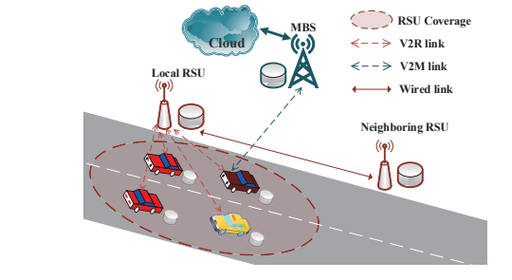
Fig. 1 : VEC scenario
원문 · CC BY 4.0 · Qiong Wu, Yu Zhao, Qiang Fan, Pingyi Fan, Jiangzhou Wang, Cui Zhang · Mobility-Aware Cooperative Caching in Vehicular Edge Computing Based on Asynchronous Federated and Deep Reinforcement Learning · 원문 그림 인용 · 원본 PDF 7쪽에서 그림 영역을 추출했습니다.비동기 연합학습으로 전역 모델 갱신
로컬 RSU는 차량의 위치와 속도로 계산한 체류 시간이 평균 학습 시간과 추론 시간의 합보다 큰 차량만 선택합니다. 선택된 차량은 전역 모델 ωr을 초기값으로 받아 AE 기반 지역 모델을 반복 학습하며, 손실에는 전역 모델과의 차이를 줄이는 정규화 항이 더해집니다. 이전 라운드에서 업로드하지 못한 스트래글러의 지역 기울기는 감쇠 계수 β를 곱해 현재 기울기에 더해집니다. 지역 모델이 먼저 도착할 때마다 로컬 RSU는 위치 항과 전송률 항으로 계산한 가중치 χi를 사용해 전역 모델을 갱신하므로, 라운드의 모든 차량을 기다리는 FedAVG와 달리 비동기로 집계합니다.
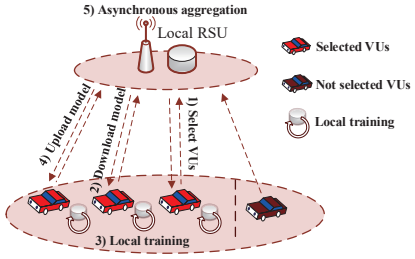
Fig. 2 : Asynchronous FL
원문 · CC BY 4.0 · Qiong Wu, Yu Zhao, Qiang Fan, Pingyi Fan, Jiangzhou Wang, Cui Zhang · Mobility-Aware Cooperative Caching in Vehicular Edge Computing Based on Asynchronous Federated and Deep Reinforcement Learning · 원문 그림 인용 · 원본 PDF 10쪽에서 그림 영역을 추출했습니다.인기 콘텐츠 예측과 dueling DQN 기반 협력 캐싱
예측 단계에서는 갱신된 AE로 차량별 평점 행렬을 재구성하고, 개인정보 행렬 사이의 코사인 유사도로 활성 VU의 이웃 K명을 고릅니다. 이웃들이 관심을 보인 콘텐츠의 빈도를 세어 각 차량의 관심 콘텐츠를 정하고, 로컬 RSU가 이를 모아 인기 콘텐츠를 선택합니다. 협력 캐싱은 로컬 RSU가 캐시한 콘텐츠를 상태로 두고, 캐시 교체 여부를 행동으로 두며, 콘텐츠를 가져오는 지연에 따른 보상을 사용하는 DRL 문제로 정식화됩니다. dueling DQN은 Q값을 상태 가치 V와 행동 이점 A로 나누고, A에서 행동 평균을 빼 Q값 범위를 안정시킵니다. 보상은 로컬, 이웃, MBS 경로에 따라 서로 다른 지연 항을 사용합니다.
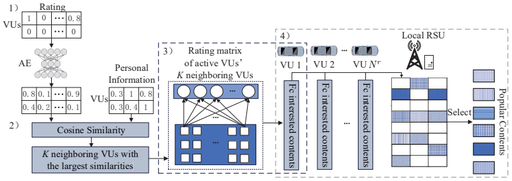
Fig. 3 : Popular content prediction process
원문 · CC BY 4.0 · Qiong Wu, Yu Zhao, Qiang Fan, Pingyi Fan, Jiangzhou Wang, Cui Zhang · Mobility-Aware Cooperative Caching in Vehicular Edge Computing Based on Asynchronous Federated and Deep Reinforcement Learning · 원문 그림 인용 · 원본 PDF 15쪽에서 그림 영역을 추출했습니다.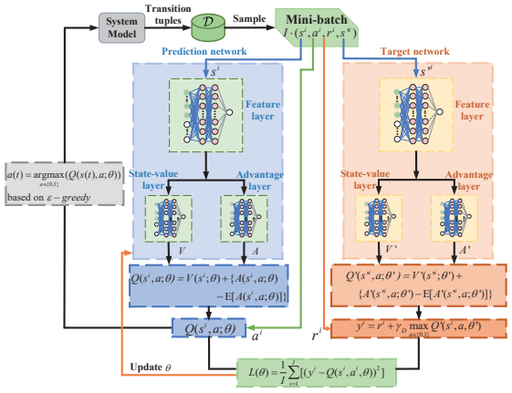
Fig. 4 : The flow diagram of the dueling DQN
원문 · CC BY 4.0 · Qiong Wu, Yu Zhao, Qiang Fan, Pingyi Fan, Jiangzhou Wang, Cui Zhang · Mobility-Aware Cooperative Caching in Vehicular Edge Computing Based on Asynchronous Federated and Deep Reinforcement Learning · 원문 그림 인용 · 원본 PDF 21쪽에서 그림 영역을 추출했습니다.캐시 적중률과 전송 지연 비교
평가에는 MovieLens 1M 데이터를 차량에 나누어 사용하고, 각 차량은 테스트 세트에서 요청 콘텐츠를 무작위로 골라 로컬 RSU에 요청합니다. 비교 대상은 Random, c-ϵ-greedy, Thompson sampling, FedAVG, DRL을 제거한 CAFR 변형입니다. 원문은 차량 밀도 15 vehicles/km와 RSU 캐시 용량별 결과를 제시하며, CAFR의 캐시 적중률은 Random과 Thompson sampling보다 높고 c-ϵ-greedy보다도 높다고 보고합니다. 콘텐츠 전송 지연은 용량이 커질수록 줄고 CAFR이 다른 비교 방식보다 작습니다. 이 결과는 시뮬레이션과 해당 데이터셋 조건에서 얻은 것입니다.
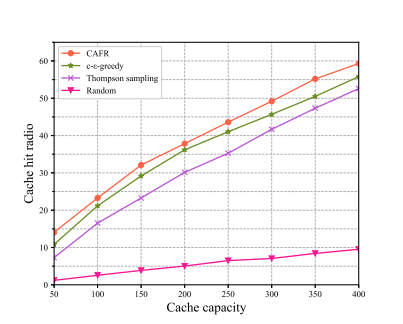
Fig. 5 : Cache hit radio under different cache capacities
원문 · CC BY 4.0 · Qiong Wu, Yu Zhao, Qiang Fan, Pingyi Fan, Jiangzhou Wang, Cui Zhang · Mobility-Aware Cooperative Caching in Vehicular Edge Computing Based on Asynchronous Federated and Deep Reinforcement Learning · 원문 그림 인용 · 원본 PDF 25쪽에서 그림 영역을 추출했습니다.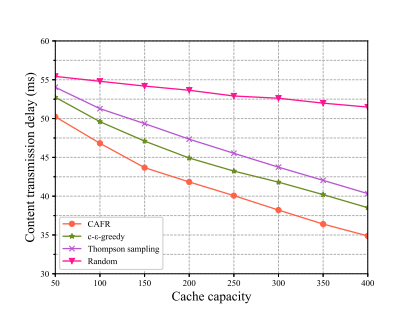
Fig. 6 : Content transmission delay under different cache capacities
원문 · CC BY 4.0 · Qiong Wu, Yu Zhao, Qiang Fan, Pingyi Fan, Jiangzhou Wang, Cui Zhang · Mobility-Aware Cooperative Caching in Vehicular Edge Computing Based on Asynchronous Federated and Deep Reinforcement Learning · 원문 그림 인용 · 원본 PDF 26쪽에서 그림 영역을 추출했습니다.FedAVG 대비 학습 시간과 전역 모델의 적중률
비동기 FL의 효과는 FedAVG와 비교한 라운드별 학습 시간과 캐시 적중률로 확인합니다. 차량 밀도 15 vehicles/km, RSU 캐시 용량 100 콘텐츠 조건에서 CAFR의 라운드당 학습 시간은 1s에서 2s 사이이고 FedAVG는 22s에서 24s 사이라고 보고됩니다. 같은 조건에서 CAFR의 캐시 적중률은 22.5%에서 24% 사이, FedAVG는 22%에서 23.5% 사이로 나타나 차이가 작습니다. 저자들은 이 차이를 차량의 위치와 속도를 반영한 차량 선택과 집계 덕분으로 해석합니다.
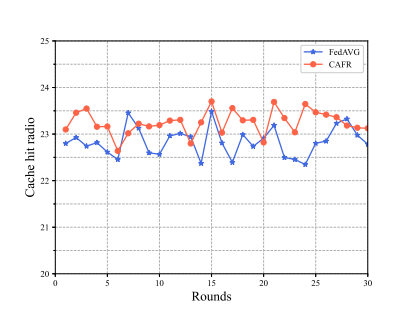
Fig. 8 : Cache hit radio of CAFR and FedA VG
원문 · CC BY 4.0 · Qiong Wu, Yu Zhao, Qiang Fan, Pingyi Fan, Jiangzhou Wang, Cui Zhang · Mobility-Aware Cooperative Caching in Vehicular Edge Computing Based on Asynchronous Federated and Deep Reinforcement Learning · 원문 그림 인용 · 원본 PDF 27쪽에서 그림 영역을 추출했습니다.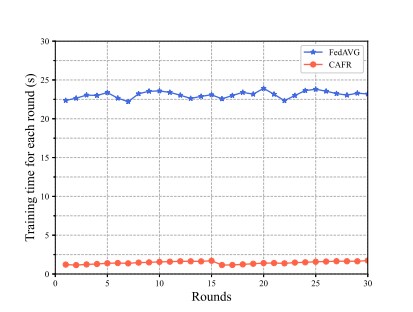
Fig. 9 : Training time of CAFR and FedA VG
원문 · CC BY 4.0 · Qiong Wu, Yu Zhao, Qiang Fan, Pingyi Fan, Jiangzhou Wang, Cui Zhang · Mobility-Aware Cooperative Caching in Vehicular Edge Computing Based on Asynchronous Federated and Deep Reinforcement Learning · 원문 그림 인용 · 원본 PDF 27쪽에서 그림 영역을 추출했습니다.DRL 제거 변형과 캐시 교체의 기여
DRL 기여는 예측된 인기 콘텐츠에서 무작위로 캐시를 고르는 CAFR without DRL과 비교하여 확인합니다. 원문에서 CAFR은 여러 RSU 캐시 용량에서 이 변형보다 캐시 적중률이 높고 콘텐츠 전송 지연이 작습니다. 저자들은 DRL이 예측된 인기 콘텐츠 가운데 더 적합한 콘텐츠를 로컬 RSU에 배치하게 한다고 해석합니다. 학습 곡선에서는 약 10 에피소드 부근에서 적중률과 지연이 수렴하는 것으로 나타납니다.
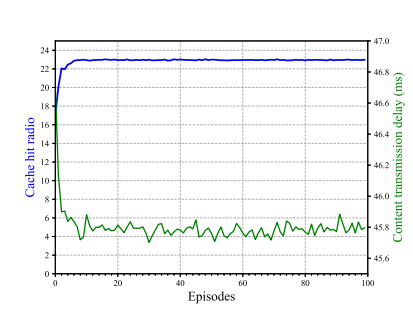
Fig. 10 : Cache hit radio and content transmission delay of each episode in the DRL
원문 · CC BY 4.0 · Qiong Wu, Yu Zhao, Qiang Fan, Pingyi Fan, Jiangzhou Wang, Cui Zhang · Mobility-Aware Cooperative Caching in Vehicular Edge Computing Based on Asynchronous Federated and Deep Reinforcement Learning · 원문 그림 인용 · 원본 PDF 28쪽에서 그림 영역을 추출했습니다.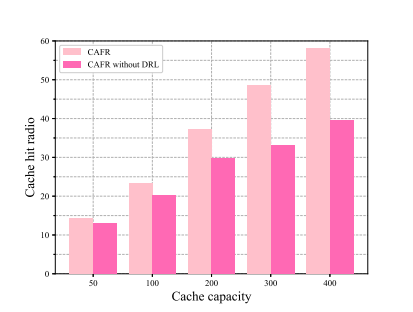
Fig. 11 : Cache hit radio for whether cache replacement
원문 · CC BY 4.0 · Qiong Wu, Yu Zhao, Qiang Fan, Pingyi Fan, Jiangzhou Wang, Cui Zhang · Mobility-Aware Cooperative Caching in Vehicular Edge Computing Based on Asynchronous Federated and Deep Reinforcement Learning · 원문 그림 인용 · 원본 PDF 29쪽에서 그림 영역을 추출했습니다.적용 범위와 한계
이 결과는 시뮬레이션 환경과 MovieLens 1M 데이터셋을 기반으로 얻은 것입니다. 실험은 특정 차량 밀도와 캐시 용량 조건에서 수행되었고, 다른 데이터·도시 환경·실제 무선 조건에 대한 결과는 원문 근거에 포함되지 않습니다. 적중률 차이는 FedAVG와 CAFR 사이에서 작게 나타나므로, 학습 시간의 개선과 정확도 개선을 같은 크기로 읽어서는 안 됩니다.
논문 정보
- 저자
- Qiong Wu, Yu Zhao, Qiang Fan, Pingyi Fan, Jiangzhou Wang, Cui Zhang
- 학회·저널
- arXiv · 프리프린트
- 최초 공개일
- 2022년 8월 2일
- 등록일
- 2026년 11월 6일
- 수정일
- 2022년 8월 2일
- 버전
- v1
- arXiv
- 2208.01219
- DOI
- 10.1109/jstsp.2022.3221271
- 분류
- cs.DC · cs.LG
- 원문 이용 조건
- CC BY 4.0
- 제공 범위
- 논문 정보, 해설, 허용된 원문 그림
AI 해설은 논문 원문과 별개의 설명이며 오류가 있을 수 있습니다. 원문과 그림은 각 출처의 이용 조건과 따로 표시된 권리를 따릅니다.
초록
The vehicular edge computing (VEC) can cache contents in different RSUs at the network edge to support the real-time vehicular applications. In VEC, owing to the high-mobility characteristics of vehicles, it is necessary to cache the user data in advance and learn the most popular and interesting contents for vehicular users. Since user data usually contains privacy information, users are reluctant to share their data with others. To solve this problem, traditional federated learning (FL) needs to update the global model synchronously through aggregating all users' local models to protect users' privacy. However, vehicles may frequently drive out of the coverage area of the VEC before they achieve their local model trainings and thus the local models cannot be uploaded as expected, which would reduce the accuracy of the global model. In addition, the caching capacity of the local RSU is limited and the popular contents are diverse, thus the size of the predicted popular contents usually exceeds the cache capacity of the local RSU. Hence, the VEC should cache the predicted popular contents in different RSUs while considering the content transmission delay. In this paper, we consider the mobility of vehicles and propose a cooperative Caching scheme in the VEC based on Asynchronous Federated and deep Reinforcement learning (CAFR). We first consider the mobility of vehicles and propose an asynchronous FL algorithm to obtain an accurate global model, and then propose an algorithm to predict the popular contents based on the global model. In addition, we consider the mobility of vehicles and propose a deep reinforcement learning algorithm to obtain the optimal cooperative caching location for the predicted popular contents in order to optimize the content transmission delay. Extensive experimental results have demonstrated that the CAFR scheme outperforms other baseline caching schemes.
원문 인용
Qiong Wu, Yu Zhao, Qiang Fan, Pingyi Fan, Jiangzhou Wang, Cui Zhang (2022). Mobility-Aware Cooperative Caching in Vehicular Edge Computing Based on Asynchronous Federated and Deep Reinforcement Learning. arXiv:2208.01219v1. https://doi.org/10.1109/jstsp.2022.3221271
BibTeX
@article{wu2022mobility,
  title = {{Mobility-Aware Cooperative Caching in Vehicular Edge Computing Based on Asynchronous Federated and Deep Reinforcement Learning}},
  author = {Qiong Wu and Yu Zhao and Qiang Fan and Pingyi Fan and Jiangzhou Wang and Cui Zhang},
  year = {2022},
  eprint = {2208.01219},
  archivePrefix = {arXiv},
  doi = {10.1109/jstsp.2022.3221271},
  url = {https://arxiv.org/abs/2208.01219v1}
}